

Highlights on the heritage
Committente: Unione dei comuni della Grecìa Salentina | Stato: Concluso
Highlights on the heritage
Grecìa Salentina for travellers and refugees
This site offers a small glimpse of a vast cultural heritage. It is digitized cultural heritage. It is designed for all those who come here: to southern Italy, to Puglia, to Salento, to Grecìa Salentina. For refugees from war and for tourists: for travelers curious to learn and for those who have arrived by pure chance on this piece of land stretching into the Mediterranean.
“Highlights on the heritage” was funded under the ISRICM-EU project: Innovative Approaches to Mitigate the Societal Consequences of Russia’s War of Aggression Against Ukraine within EU countries ESF-SI-2024-UA-01-0006

Highlights on the heritage
Welcome aperitif
Grecìa Salentina is a place of encounters. Its inhabitants still speak a language of Greek origin, brought here by travelers who long ago crossed the sea to settle here. It is a testament to encounters long ago that gave rise to a prosperous and united community. A community that calls these places its home, open to all.
MartignanoPalazzo PalmieriAttivo
Palazzo Palmieri in Martignano is a noble 17th-century building in the heart of Grecìa Salentina. Today a historical symbol and home to the Cultural Tourism Park, it offers hospitality and promotion services.
ApprofondisciMartignanoFrantoio semi-ipogeo di Palazzo PalmieriAttivo
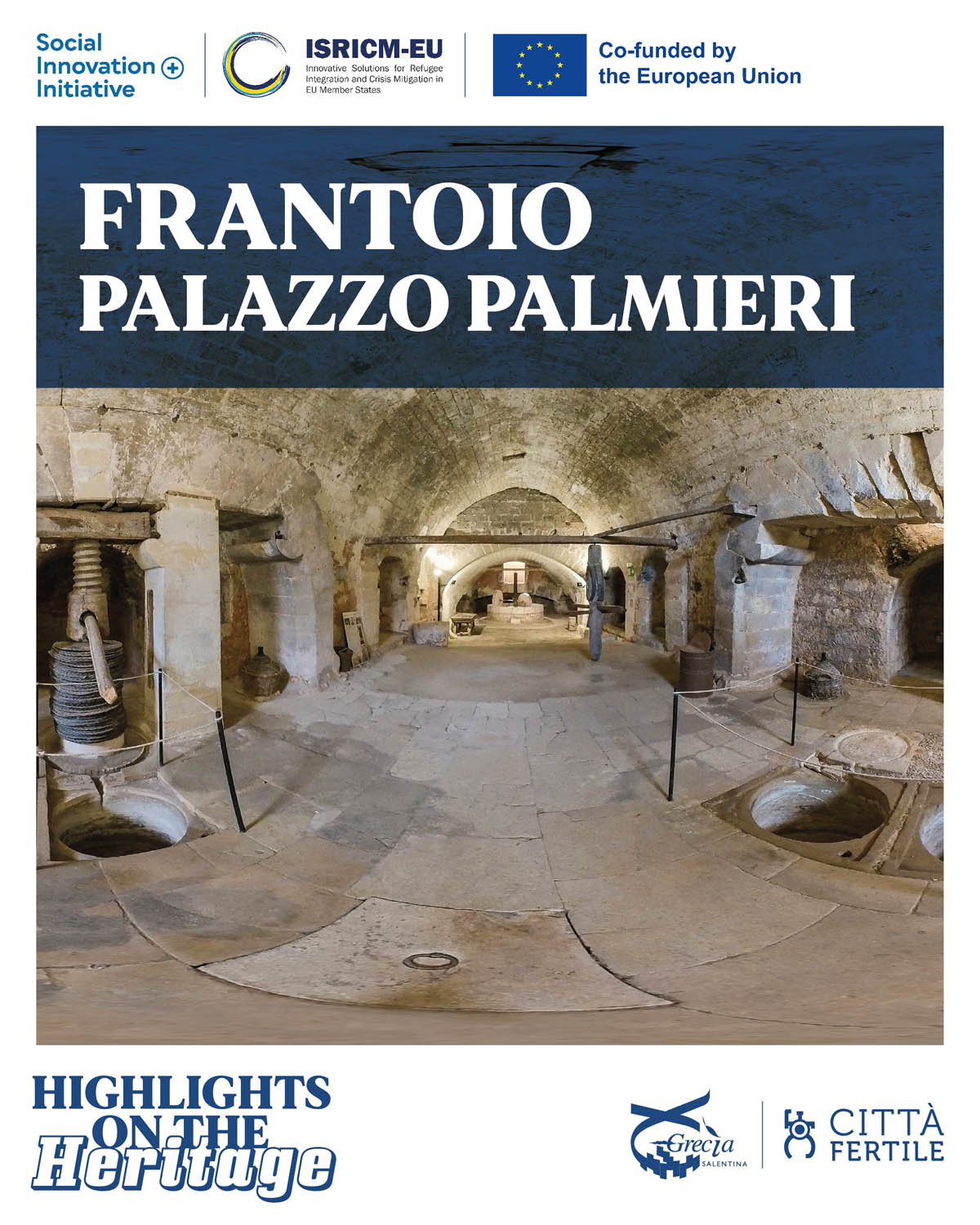
The underground oil mill of Palazzo Palmieri in Martignano is a 17th-century gem. Through its ancient millstones and presses, it tells the story of ingenuity and the centuries-old history of oil production in Grecìa Salentina.
ApprofondisciMartignanoPozzelle (Pozzi di San Pantaleo)Attivo
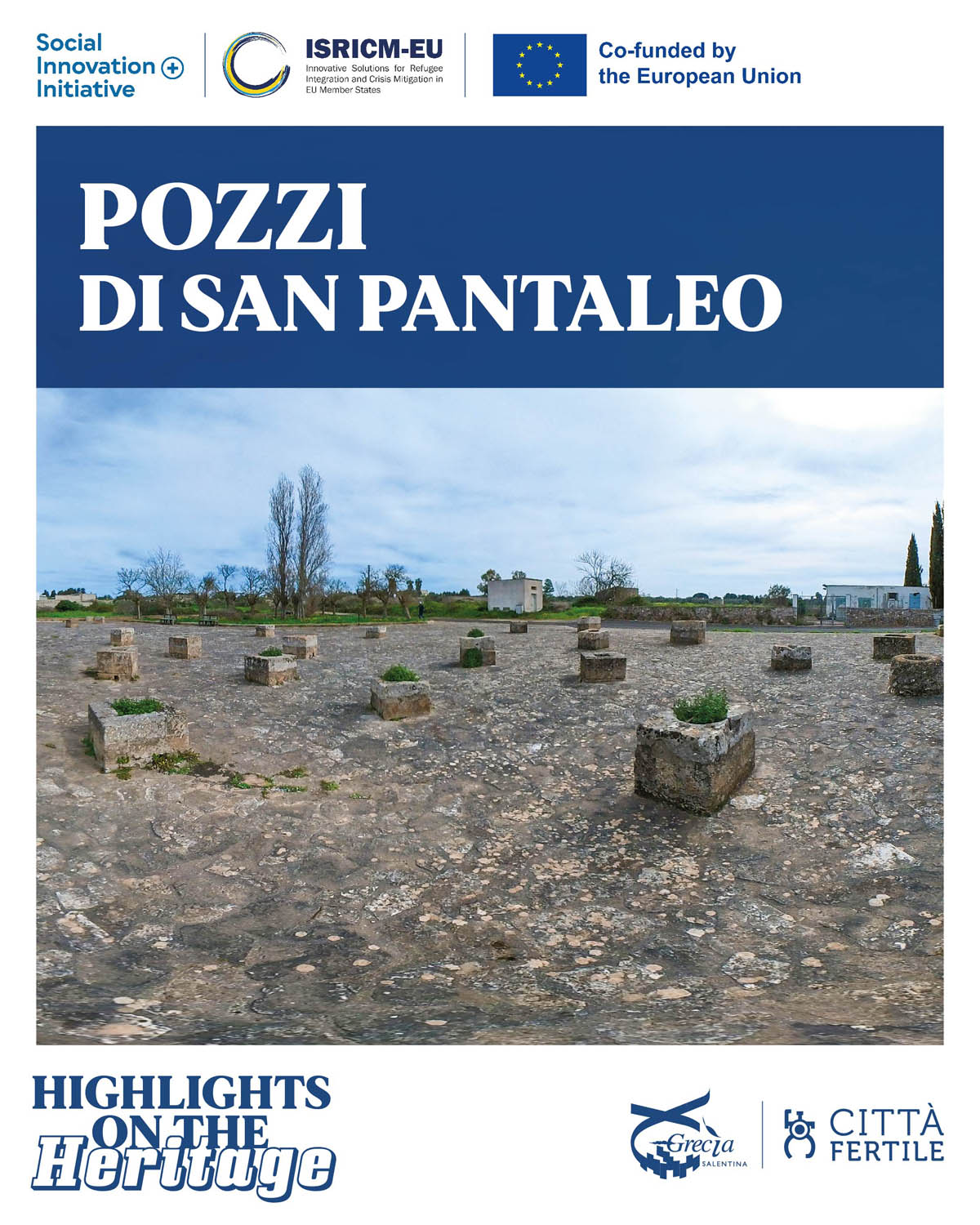
The Wells of San Pantaleo in Martignano are a feat of traditional hydraulic engineering. These “pozzelle” carved into the rock guaranteed water and development for the community for centuries.
ApprofondisciZollinoPozzelle di PirroAttivo
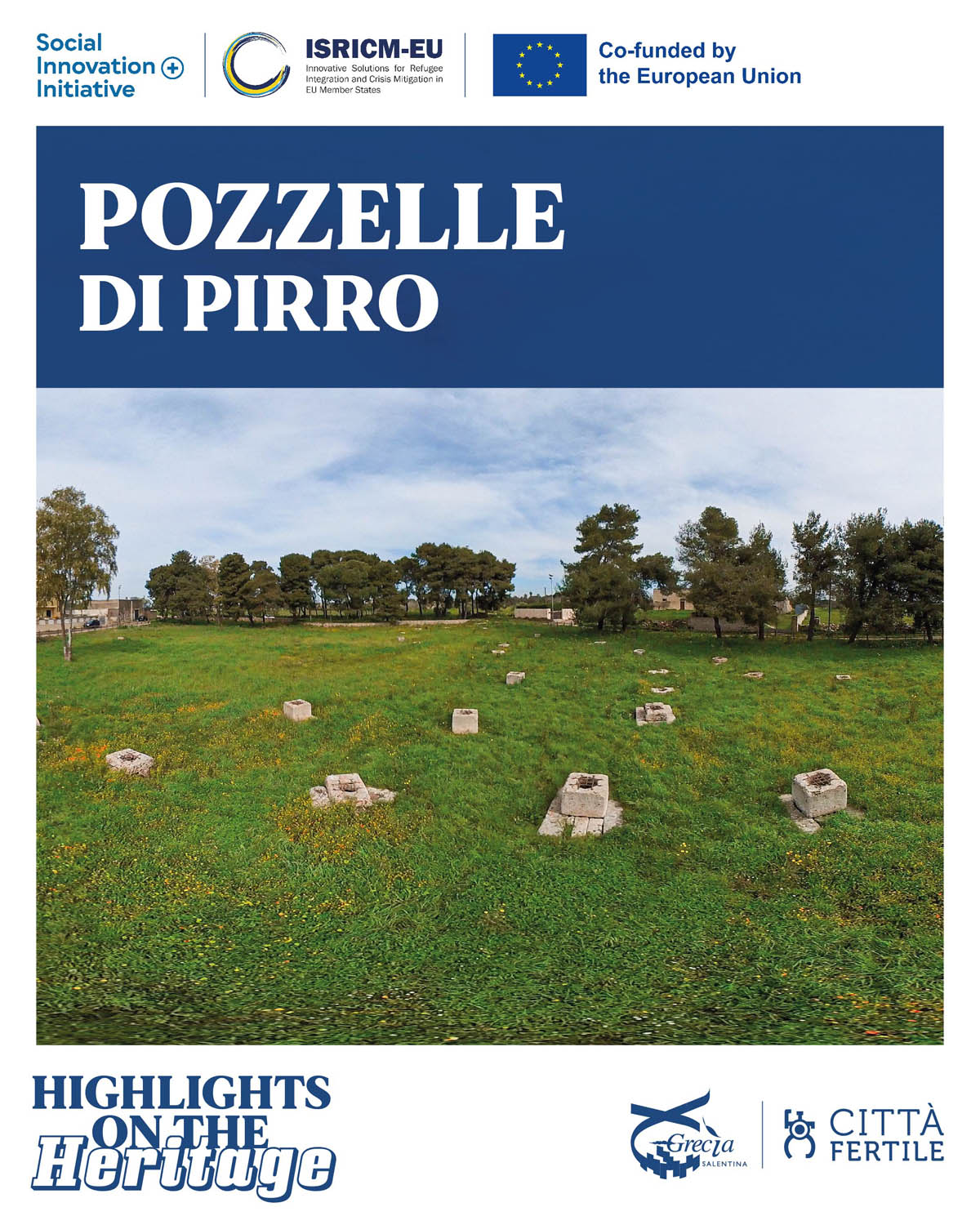
The Pozzelle of Pirro in Zollino combine myth and rural engineering. With 46 cisterns still active, this hydraulic archaeology site recounts the secular struggle against drought in Grecìa Salentina.
ApprofondisciZollinoParco Archeologico delle Pozzelle di ApiglianoAttivo
Apigliano Park preserves 61 medieval “pozzelle,” a vital water reserve for the ancient Byzantine village. Today, the site testifies to the wise, millenary management of resources in the Grecìa region.
ApprofondisciZollinoCisterne di Masseria GloriaAttivo
The cisterns of Masseria Gloria in Zollino stand out for their rectangular plan and Lecce stone blocks. A unique variation of the local water system, they testify to the evolution of techniques.
ApprofondisciCastrignano de' GreciParco PozzelleAttivo
The Pozzelle Park in Castrignano De’ Greci is a green lung with 101 cisterns carved into the rock. Up to 6 meters deep, they bear witness to rural ingenuity and the identity of Grecìa Salentina.
ApprofondisciCastrignano de' GreciPalazzo Baronale de GualtieriisAttivo
The Baronial Palace of Castrignano De’ Greci, built in the 15th century for defense against the Saracens, features zoomorphic gargoyles and a decorated portal. Today, it is the town hall and a vibrant social hub.
ApprofondisciCastrignano de' GreciCasa a corte - Ex Abbazia della Candelora della Giovannella e Sant'OnofrioAttivo
The Former Abbey of Candelora in Castrignano is an example of a 16th-century courtyard house. Originally a monastery, it preserves rural elements like water channels and cisterns, symbols of local peasant culture.
ApprofondisciCastrignano de' GreciMasseria Mauro MonicoAttivo
Masseria Mauro Monico in Castrignano de’ Greci is a historic, unfortified agricultural structure. Featuring a T-shaped layout and ancient origins, it preserves original cisterns, symbols of local pastoral life.
ApprofondisciSternatiaChiostro Convento dei DomenicaniAttivo
The Dominican Convent of Castrignano (18th century), now the Town Hall, boasts an elegant cloister and a Baroque and Rococo church. The single-nave interior houses precious stuccos and sacred paintings.
ApprofondisciSternatiaFrantoio ipogeoAttivo
The Granafei oil mill in Sternatia, active until the 19th century, is the only one of 19 local underground structures still open to visitors. it preserves millstones and presses, testifying to historical oil production.
ApprofondisciSternatiaCentro Storico di SternatiaAttivo
The village of Sternatia preserves a walled layout with courtyard houses and “mignani” (traditional balconies). In via Giudeca, the “stennò” stands out—a narrow corridor for right-of-way that offers a glimpse of the bell tower.
ApprofondisciSternatiaCentro Studi Chora-ma (Palazzo Granafei stalle)Attivo
Palazzo Granafei in Sternatia, a jewel of Salento Baroque built on Byzantine ruins, boasts Rococo frescoes and a lavish portal. Today, it houses the Chora-ma study center for the protection of the Grika language.
ApprofondisciSoletoPozzelle di SoletoAttivo
Le pozzelle di Soleto sono cisterne a secco scavate nella roccia per raccogliere l’acqua piovana. Essenziali per secoli in un territorio arido, oggi sono simboli dell’ingegno contadino salentino.
ApprofondisciSoletoChiesa di Santo StefanoAttivo
The Church of Santo Stefano in Soleto is a late-Gothic gem with 14th-15th century frescoes. Commissioned by the Del Balzo Orsini family, it blends Byzantine and Latin art, a symbol of Grecìa’s identity.
ApprofondisciCorigliano d'OtrantoParco PozzelleAttivo
The Pozzelle Park in Corigliano d’Otranto preserves ancient dry-stone cisterns carved into the rock. A true open-air museum, it celebrates peasant ingenuity in water resource management.
ApprofondisciCorigliano d'OtrantoCastello de’ MontiAttivo
The Castle of Corigliano marks the transition from square towers to circular ones, designed to withstand artillery fire. Today, the manor is a vibrant cultural hub, a symbol of regeneration in the Salento region.
ApprofondisciMelpignanoPiazza San GiorgioAttivo
Piazza San Giorgio in Melpignano is among the most beautiful in Italy. With its rare Renaissance porticoes and the majestic Mother Church, it blends history and civic function on an elegant stage of Lecce stone.
ApprofondisciMelpignanoPalazzo Marchesale CastriotaAttivo
The Marchesale Palace of Melpignano is a refined example of a fortified noble residence. With its sober style, watchtowers, and checkerboard garden, it dominates the Grecìa Salentina.
ApprofondisciCalimeraCasa Museo della Civiltà contadina e della cultura grikaAttivo
The House-Museum of Calimera, located in a typical courtyard house, is the heart of Grika culture. Through its library and artifacts, it recounts rural life and the Hellenophone roots of Grecìa Salentina.
ApprofondisciCalimeraVilla comunaleAttivo
The Municipal Villa of Calimera is a historical park home to the Attic Stele (4th century BC), a gift from Athens that seals the millenary bond between Greece and the Grika community. A symbol of Mediterranean internationalism.
ApprofondisciMartanoCasa a corte "Corte Grande"Attivo
The courtyard house in Martano, such as Corte Grande, is the emblem of Mediterranean living. A communal space for farm laborers’ families, it transformed daily toil into social life and mutual aid in the heart of Salento.
ApprofondisciMartanoCentro storico – vista Via CostantinoAttivo
The historic center of Martano blends Lecce stone palaces, courtyard houses, and a 15th-century Aragonese castle with cylindrical towers. It is a perfect synthesis of Baroque art and military defense.
ApprofondisciMartanoPalazzo Ducale e giardiniAttivo
Palazzo Gaetani in Martano, featuring eclectic and neoclassical tastes, was the home of the man of letters Salvatore Gaetani. It boasts an arched courtyard, precious mosaics, and a garden connected to the noble halls.
ApprofondisciCarpignano SalentinoFrantoio ipogeoAttivo
Rediscovered in 2002, the underground oil mill of Carpignano (17th–18th century) is carved into the rock. It preserves millstones and “Calabrese” and “Genovese” style presses, testifying to ancient oil-making mastery.
ApprofondisciCarpignano SalentinoMUS.AR.CA. Museo Archeologico Carpignano SalentinoAttivo
Palazzo Ghezzi in Carpignano, a Baroque jewel, is the heart of the MUS.AR.CA., a diffuse museum with an archaeological section. Its portal and noble coat of arms narrate Salento’s history and identity.
ApprofondisciCalimeraTaccuino manoscritto di Vito Domenico Palumbo "Associazione per azioni allo scopo di pubblicare una Biblioteca Salentina Moderna"Attivo
The manuscript of V.D. Palumbo in Calimera describes the project for a publishing house for a “Modern Salento Library.” It includes the articles of association and members, aimed at filling a local cultural void.
ApprofondisciCalimeraIl Lamento, Vito Domenico Palumbo, 1896, I Edizione a stampaAttivo
First printing of “Il Lamento” (The Lament), a Grika poem edited by V.D. Palumbo. Part of his historical library, it is kept in the House-Museum of Calimera as a precious witness to local culture.
ApprofondisciZollinoMarzo 2025: Pozzelle InondateAttivo
Video from 03/31/25: flood rains reactivate the “pozzelle” of Soleto, Castrignano, and Zollino. After 50 years, the sites of Pirro and Apigliano once again demonstrate the efficiency of their ancient water system.
Approfondisci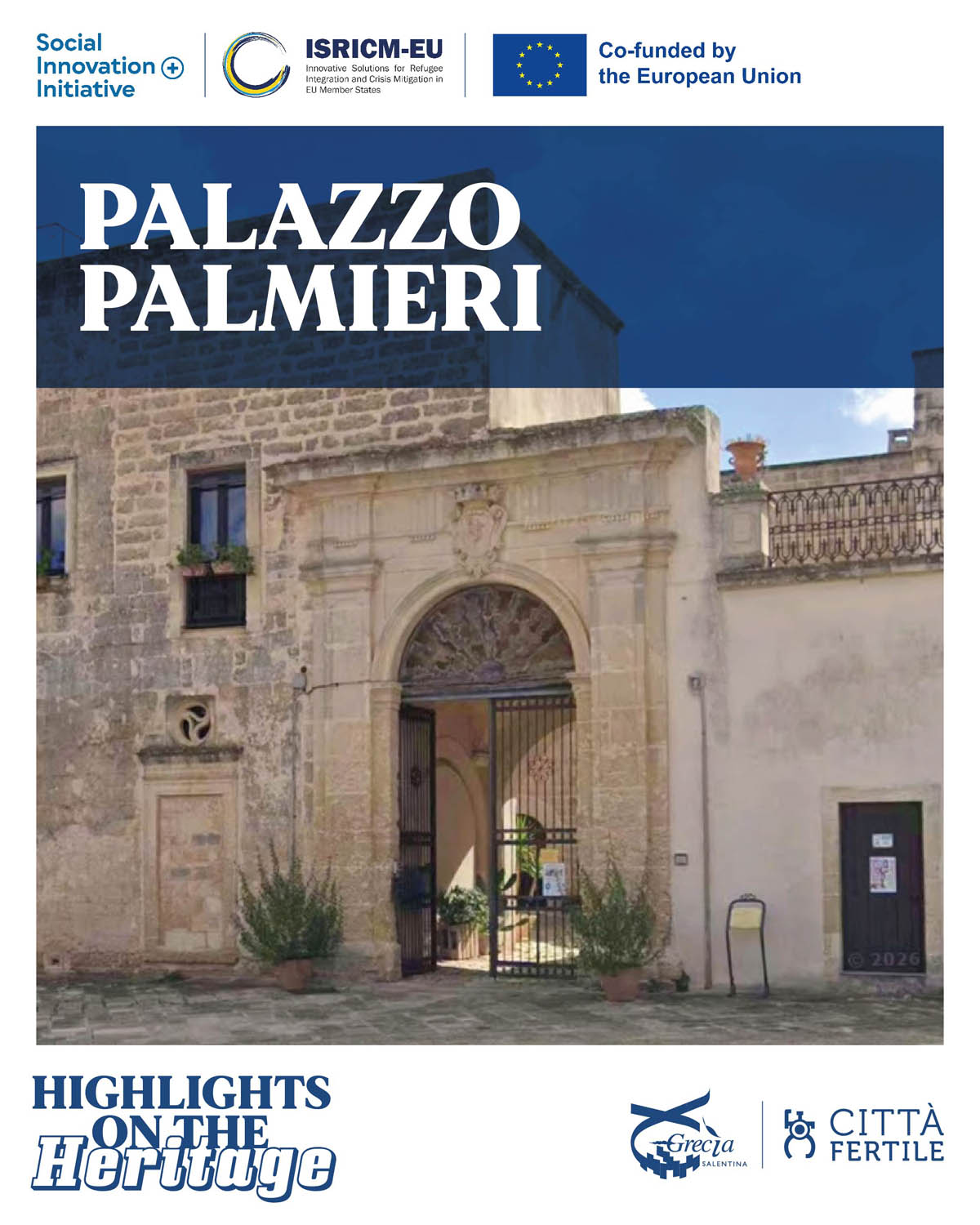
Palazzo Palmieri
Martignano
Palazzo Palmieri in Martignano is a noble 17th-century building in the heart of Grecìa Salentina. Today a historical symbol and home to the Cultural Tourism Park, it offers hospitality and promotion services.
Frantoio semi-ipogeo di Palazzo Palmieri
Martignano
The underground oil mill of Palazzo Palmieri in Martignano is a 17th-century gem. Through its ancient millstones and presses, it tells the story of ingenuity and the centuries-old history of oil production in Grecìa Salentina.
Pozzelle (Pozzi di San Pantaleo)
Martignano
The Wells of San Pantaleo in Martignano are a feat of traditional hydraulic engineering. These “pozzelle” carved into the rock guaranteed water and development for the community for centuries.
Pozzelle di Pirro Zollino
Zollino
The Pozzelle of Pirro in Zollino combine myth and rural engineering. With 46 cisterns still active, this hydraulic archaeology site recounts the secular struggle against drought in Grecìa Salentina.
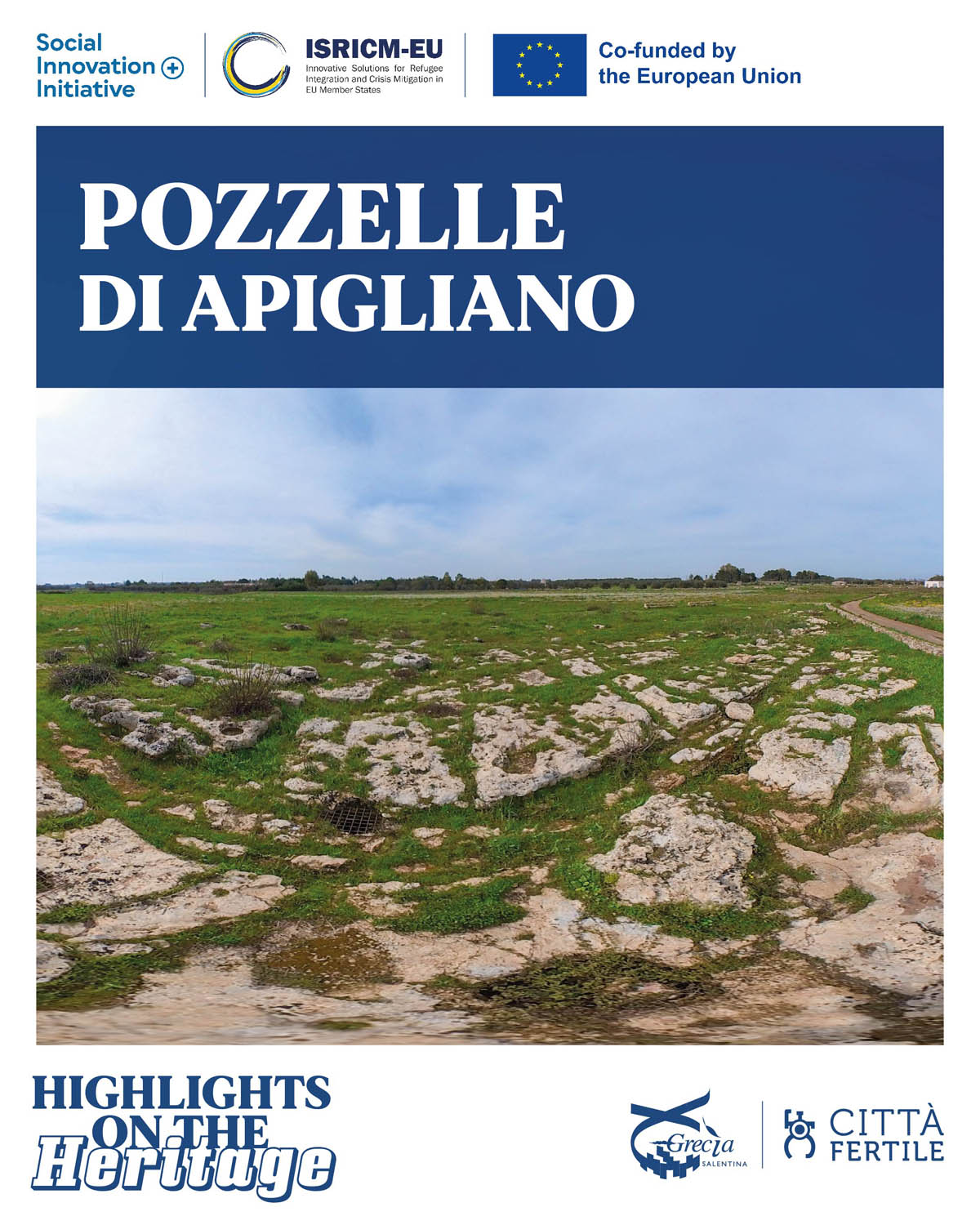
Parco Archeologico delle Pozzelle di Apigliano
Zollino
Apigliano Park preserves 61 medieval “pozzelle,” a vital water reserve for the ancient Byzantine village. Today, the site testifies to the wise, millenary management of resources in the Grecìa region.
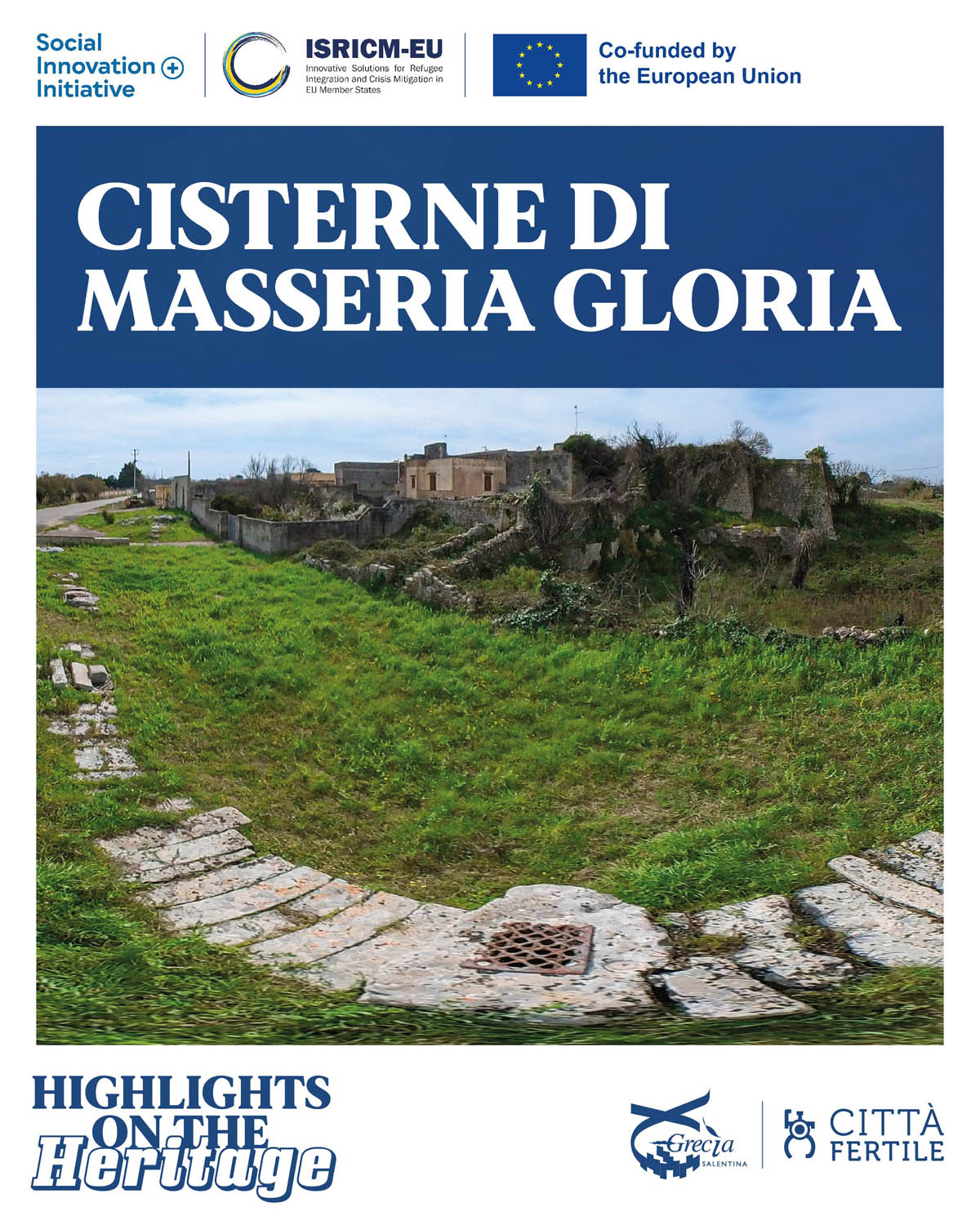
Cisterne di Masseria Gloria
Zollino
The cisterns of Masseria Gloria in Zollino stand out for their rectangular plan and Lecce stone blocks. A unique variation of the local water system, they testify to the evolution of techniques.
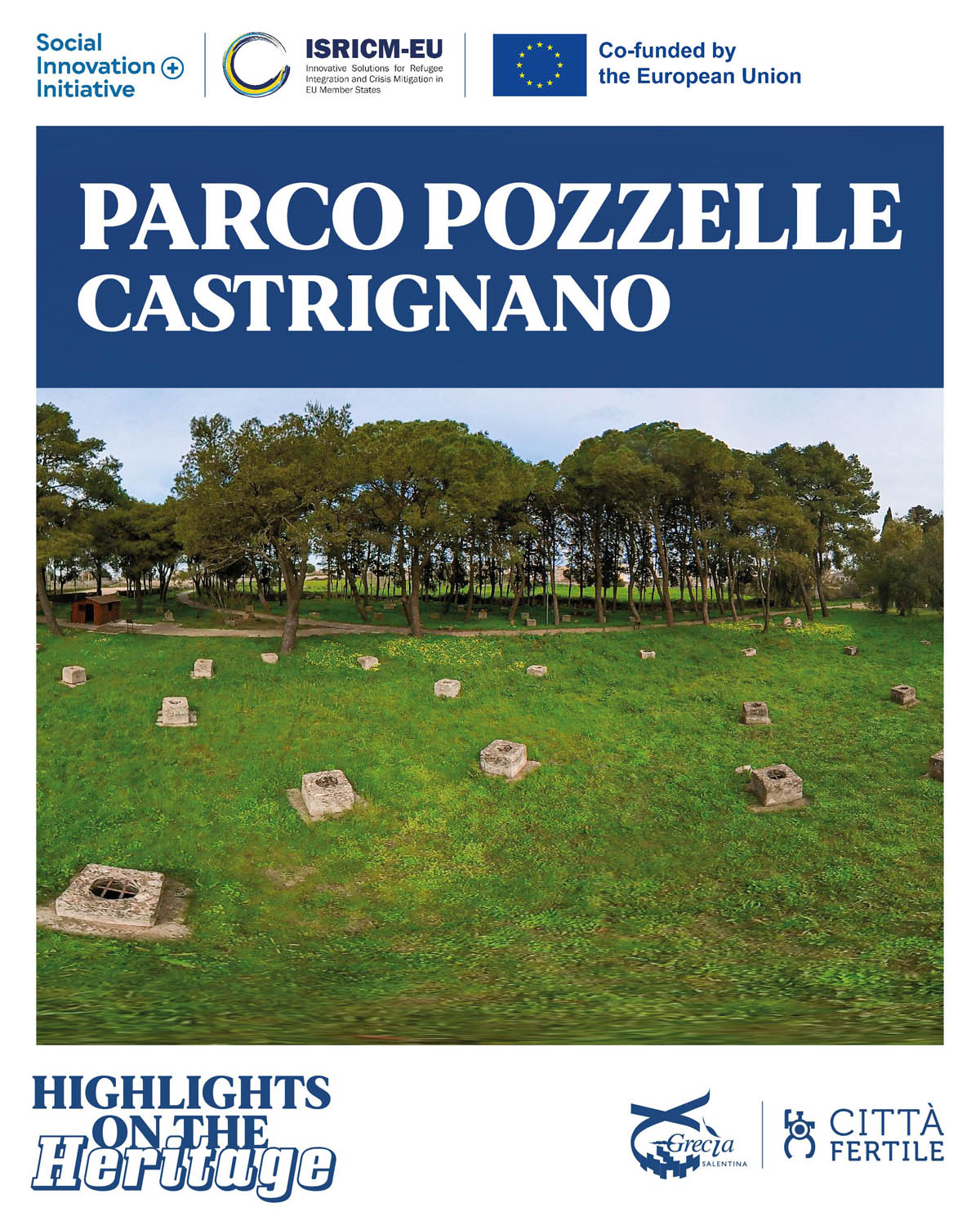
Parco Pozzelle
Castrignano de’ Greci
The Pozzelle Park in Castrignano De’ Greci is a green lung with 101 cisterns carved into the rock. Up to 6 meters deep, they bear witness to rural ingenuity and the identity of Grecìa Salentina.
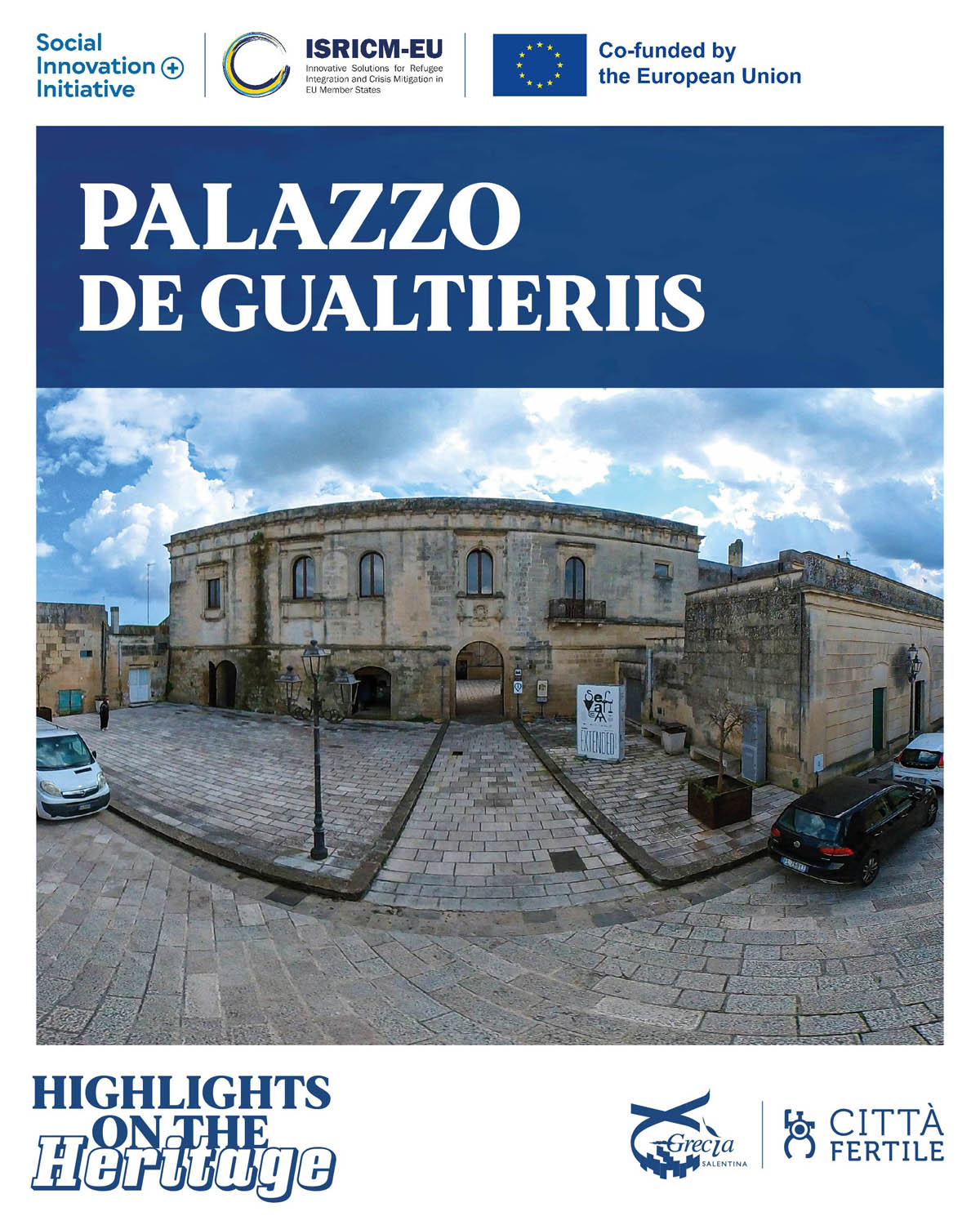
Palazzo Baronale de Gualtieriis
Castrignano de’ Greci
The Baronial Palace of Castrignano De’ Greci, built in the 15th century for defense against the Saracens, features zoomorphic gargoyles and a decorated portal. Today, it is the town hall and a vibrant social hub.
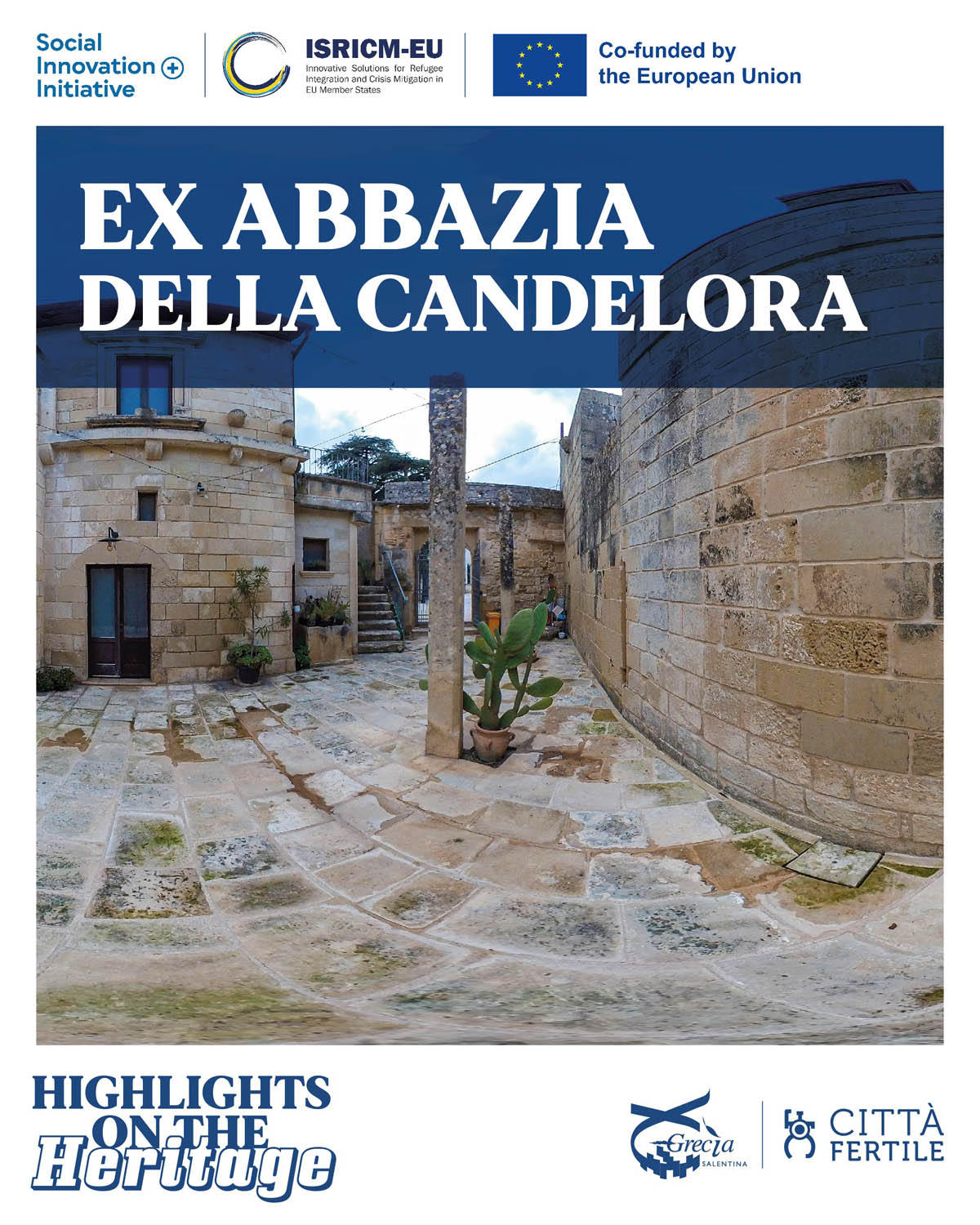
Casa a corte – Ex Abbazia della Candelora della Giovannella e Sant’Onofrio
Castrignano de’ Greci
The Former Abbey of Candelora in Castrignano is an example of a 16th-century courtyard house. Originally a monastery, it preserves rural elements like water channels and cisterns, symbols of local peasant culture.
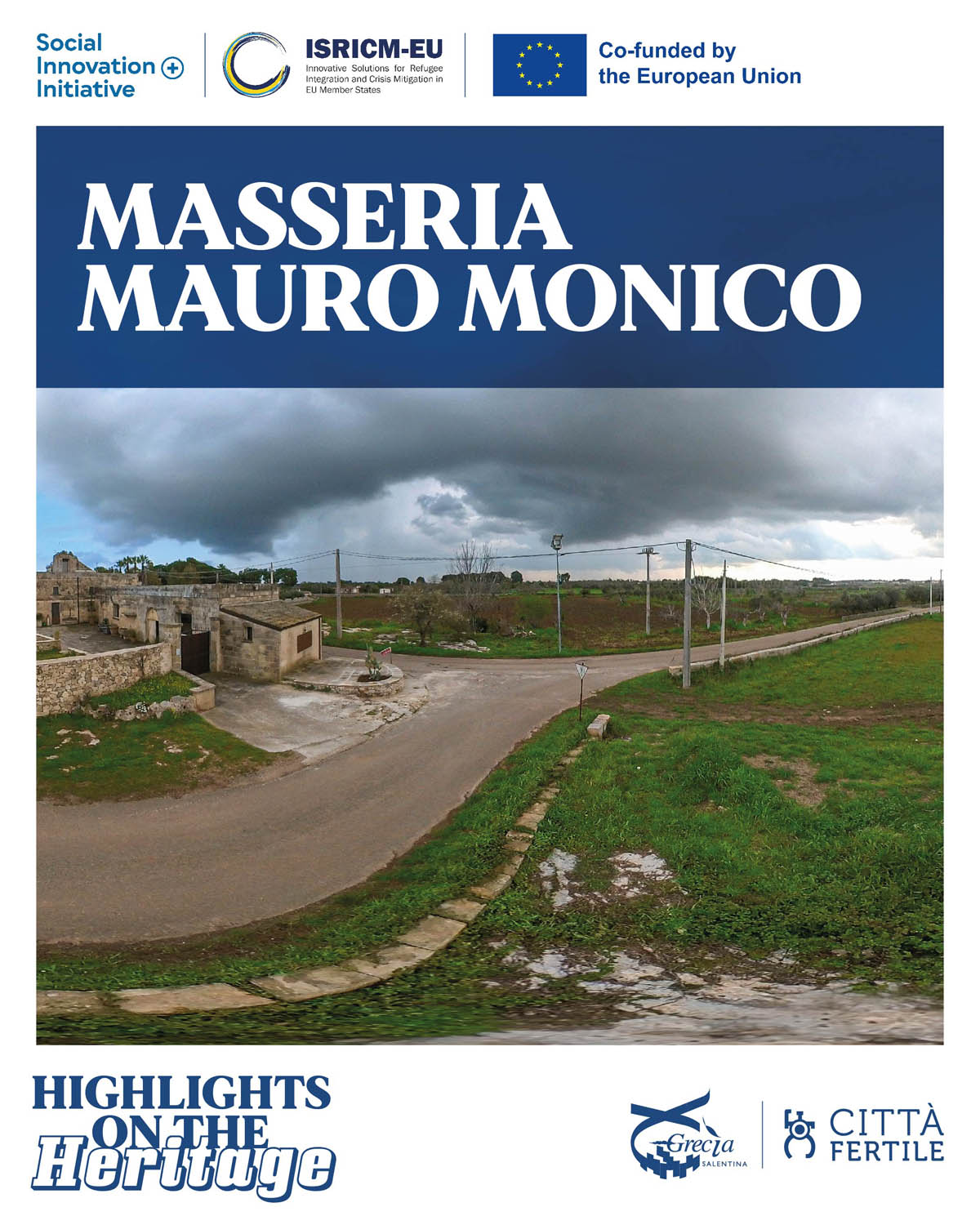
Masseria Mauro Monico
Castrignano de’ Greci
Masseria Mauro Monico in Castrignano de’ Greci is a historic, unfortified agricultural structure. Featuring a T-shaped layout and ancient origins, it preserves original cisterns, symbols of local pastoral life.
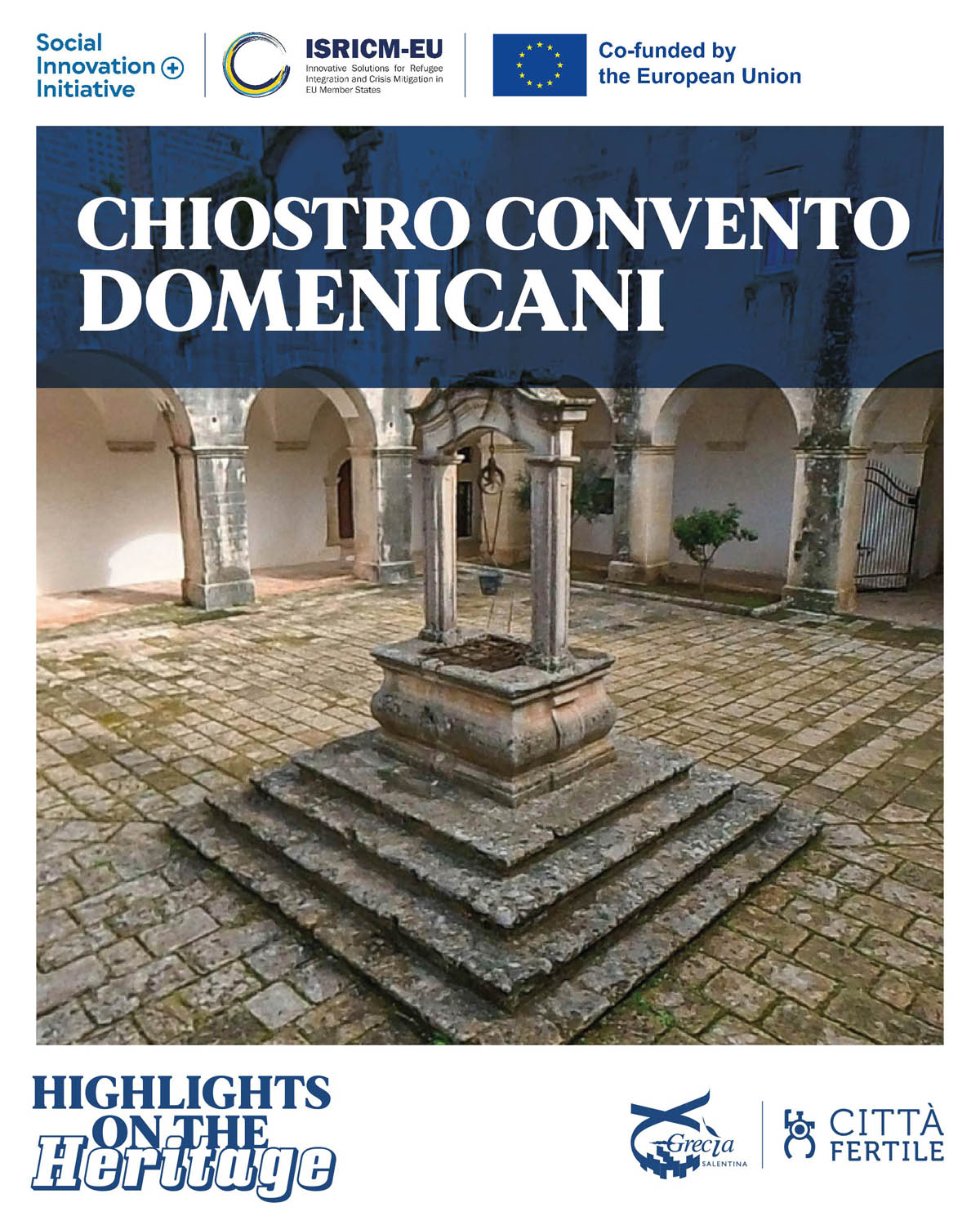
Chiostro Convento dei Domenicani
Sternatia
The Dominican Convent of Castrignano (18th century), now the Town Hall, boasts an elegant cloister and a Baroque and Rococo church. The single-nave interior houses precious stuccos and sacred paintings.
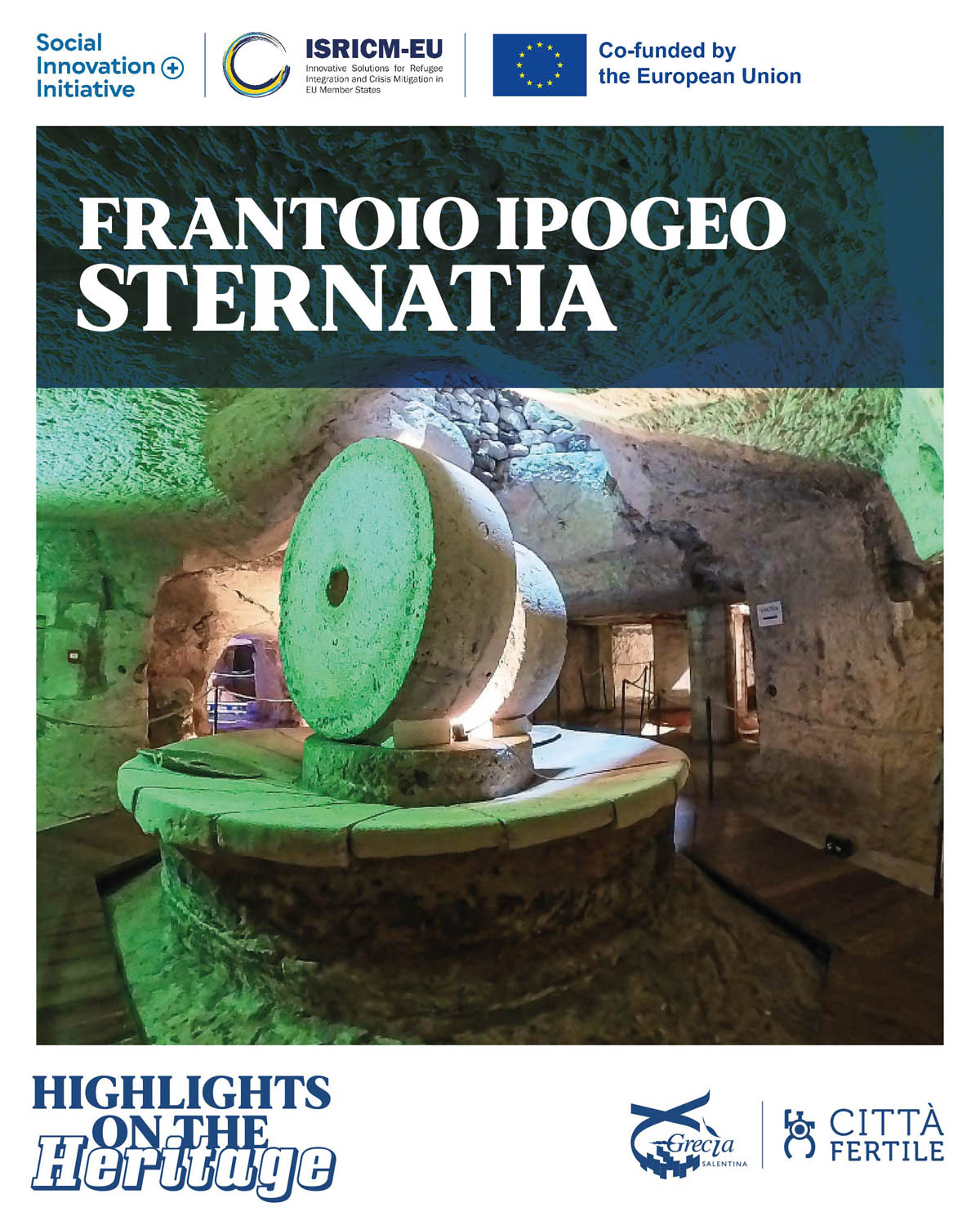
Frantoio ipogeo di Palazzo Granafei
Sternatia
The Granafei oil mill in Sternatia, active until the 19th century, is the only one of 19 local underground structures still open to visitors. it preserves millstones and presses, testifying to historical oil production.
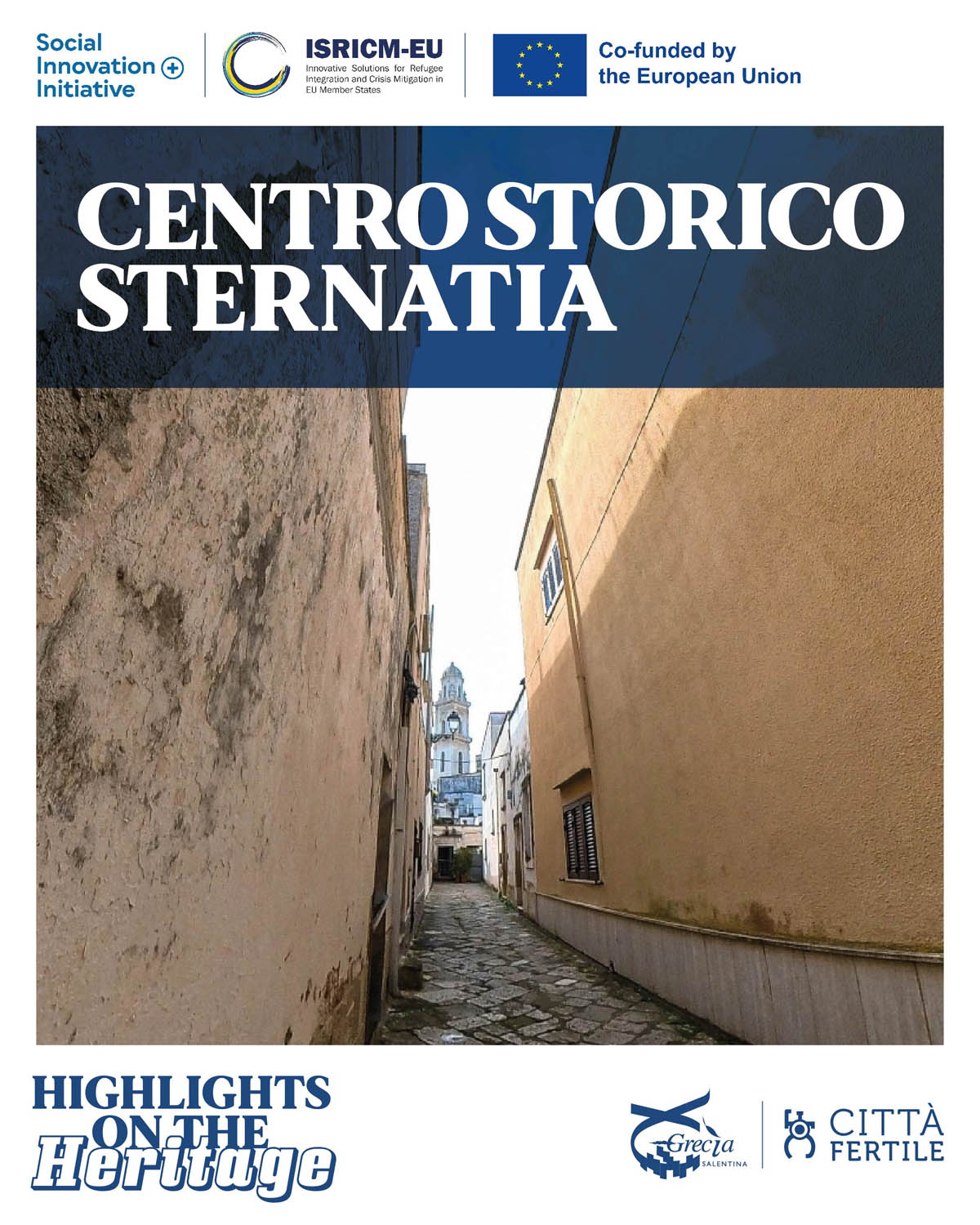
Corridoio di passaggio Via Giudeca – Via Forgia
Sternatia
The village of Sternatia preserves a walled layout with courtyard houses and “mignani” (traditional balconies). In via Giudeca, the “stennò” stands out—a narrow corridor for right-of-way that offers a glimpse of the bell tower.
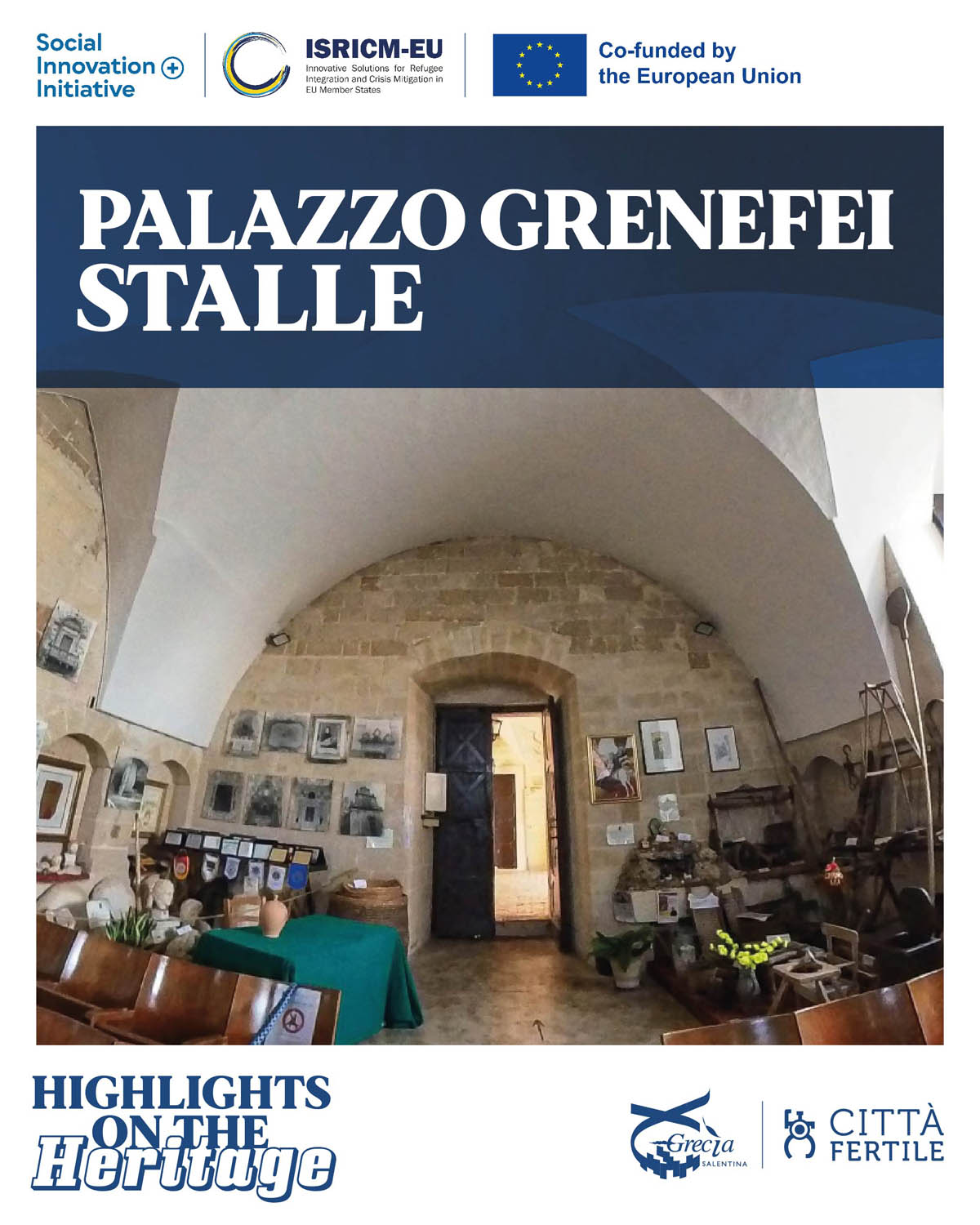
Centro Studi Chora-ma (Palazzo Granafei, stalle)
Sternatia
Palazzo Granafei in Sternatia, a jewel of Salento Baroque built on Byzantine ruins, boasts Rococo frescoes and a lavish portal. Today, it houses the Chora-ma study center for the protection of the Grika language.
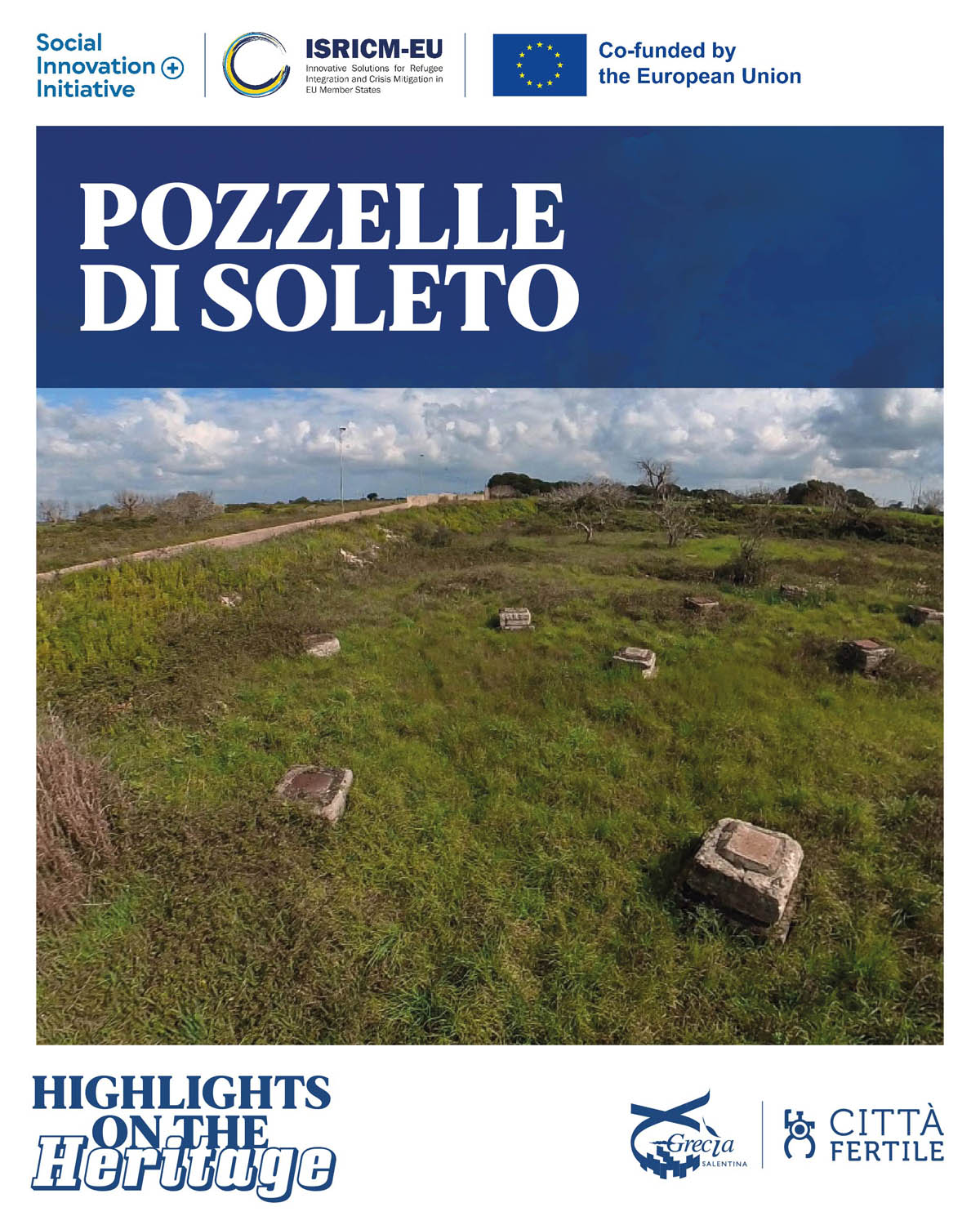
Pozzelle
Soleto
Le pozzelle di Soleto sono cisterne a secco scavate nella roccia per raccogliere l’acqua piovana. Essenziali per secoli in un territorio arido, oggi sono simboli dell’ingegno contadino salentino.
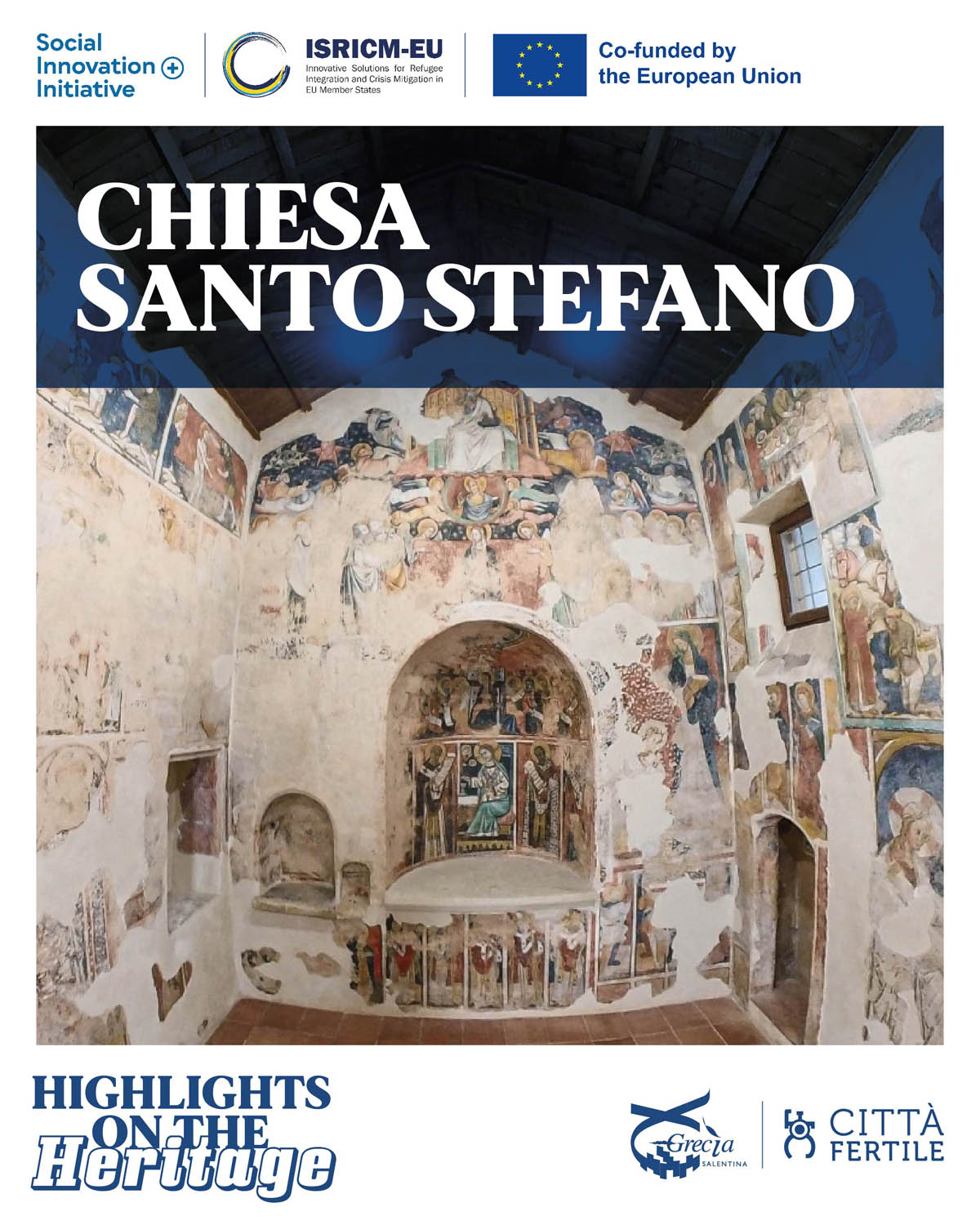
Chiesa di Santo Stefano
Soleto
The Church of Santo Stefano in Soleto is a late-Gothic gem with 14th-15th century frescoes. Commissioned by the Del Balzo Orsini family, it blends Byzantine and Latin art, a symbol of Grecìa’s identity.
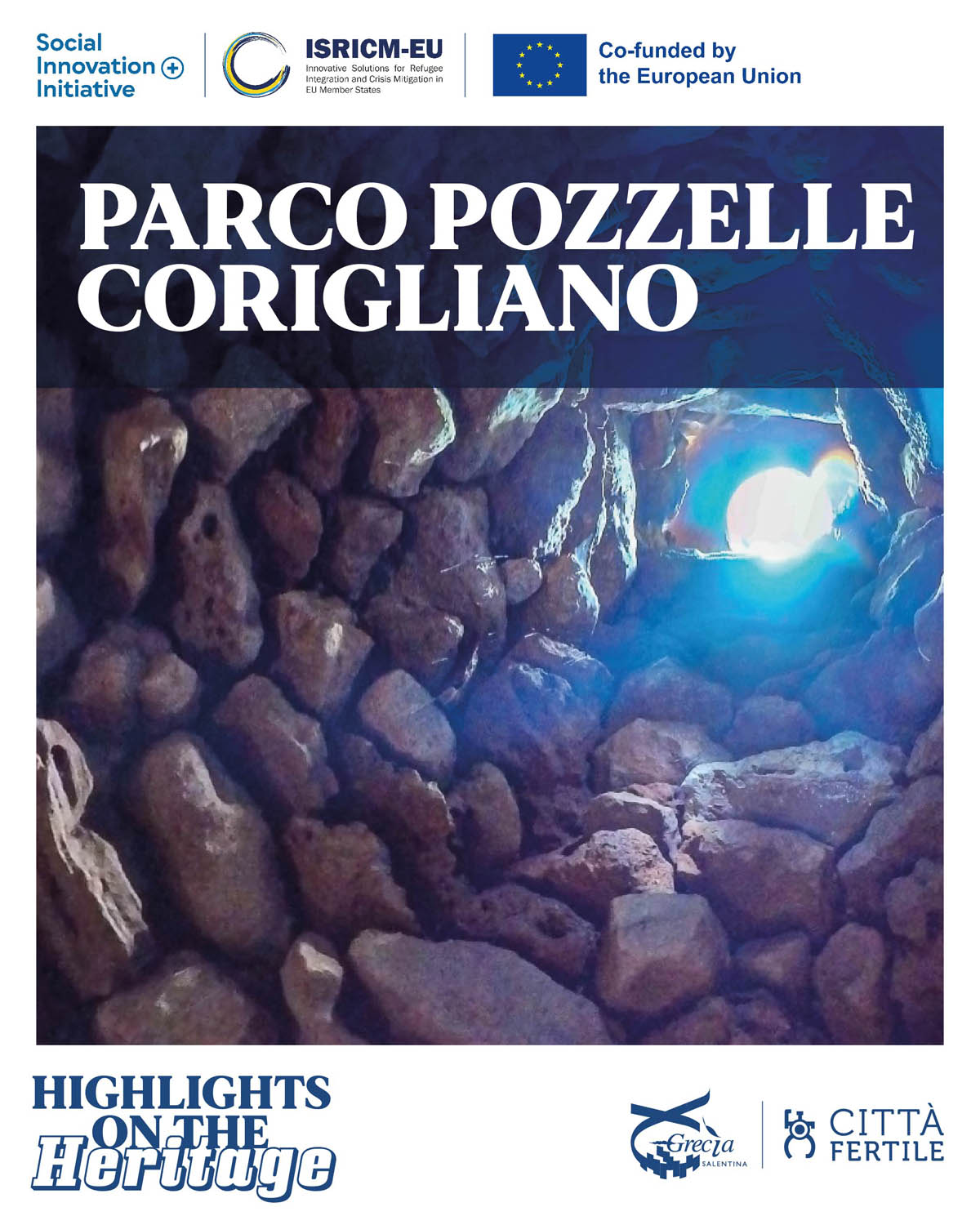
Parco Pozzelle
Corigliano d’Otranto
The Pozzelle Park in Corigliano d’Otranto preserves ancient dry-stone cisterns carved into the rock. A true open-air museum, it celebrates peasant ingenuity in water resource management.
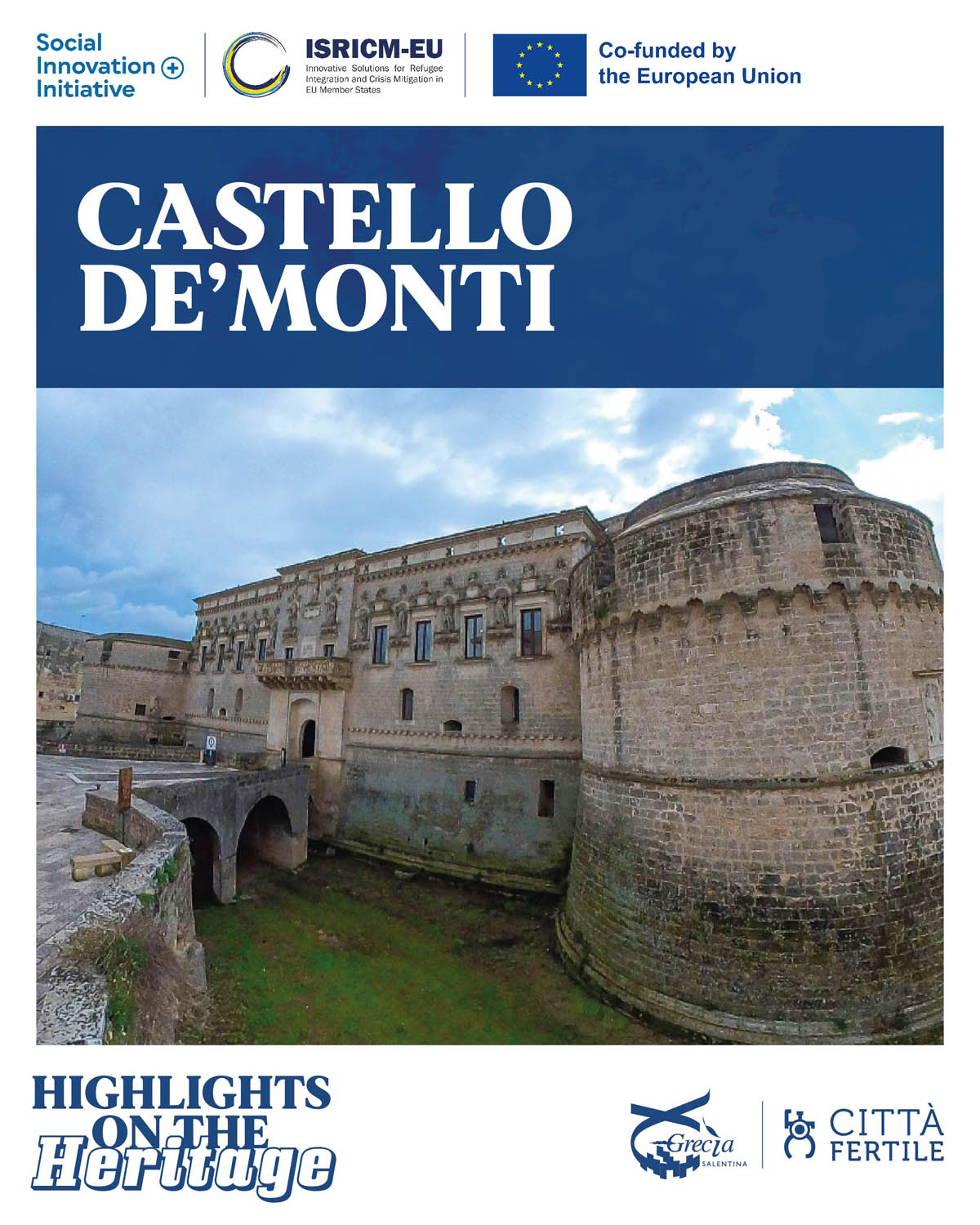
Castello de’ Monti
Corigliano d’Otranto
The Castle of Corigliano marks the transition from square towers to circular ones, designed to withstand artillery fire. Today, the manor is a vibrant cultural hub, a symbol of regeneration in the Salento region.
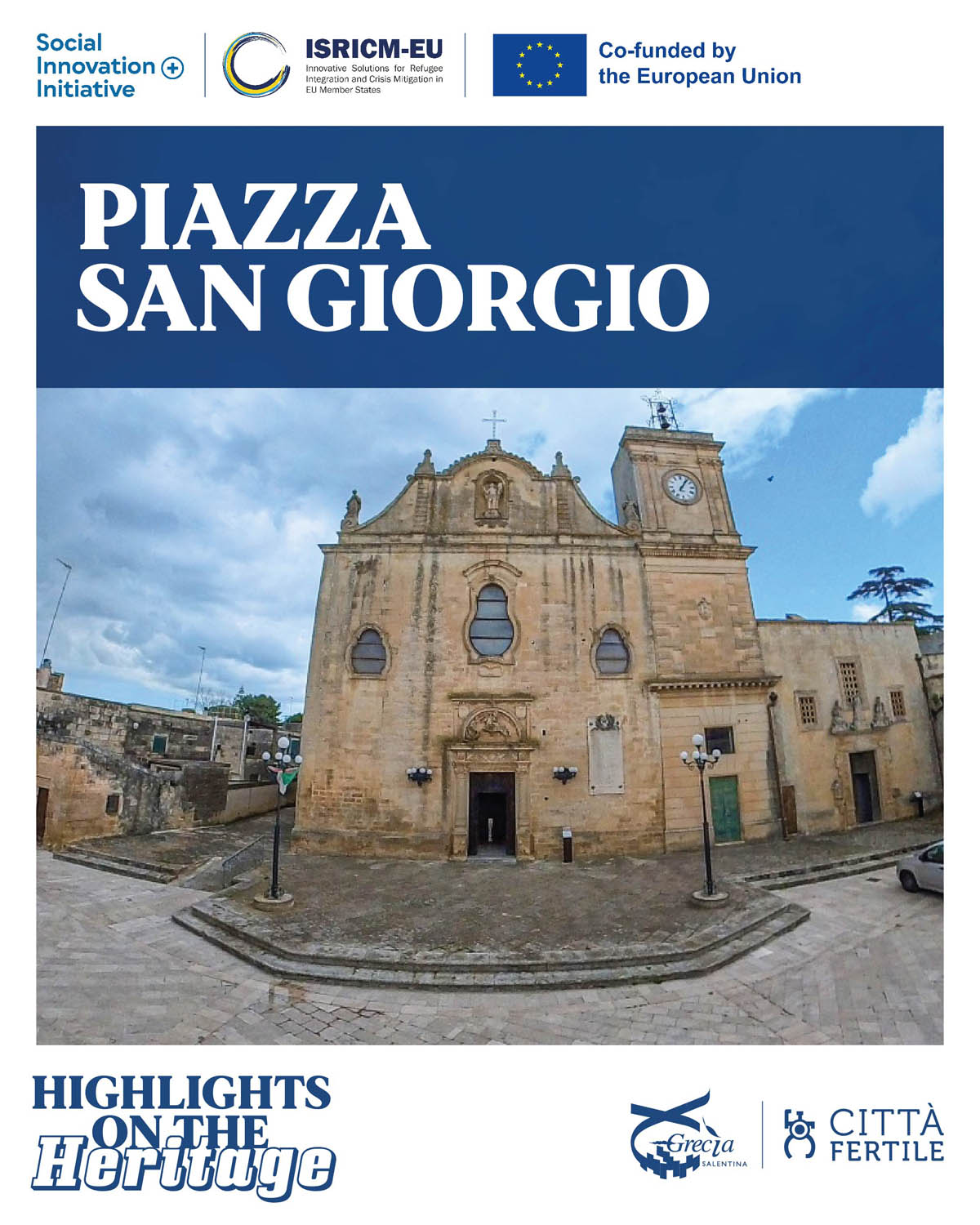
Piazza San Giorgio
Melpignano
Piazza San Giorgio in Melpignano is among the most beautiful in Italy. With its rare Renaissance porticoes and the majestic Mother Church, it blends history and civic function on an elegant stage of Lecce stone.
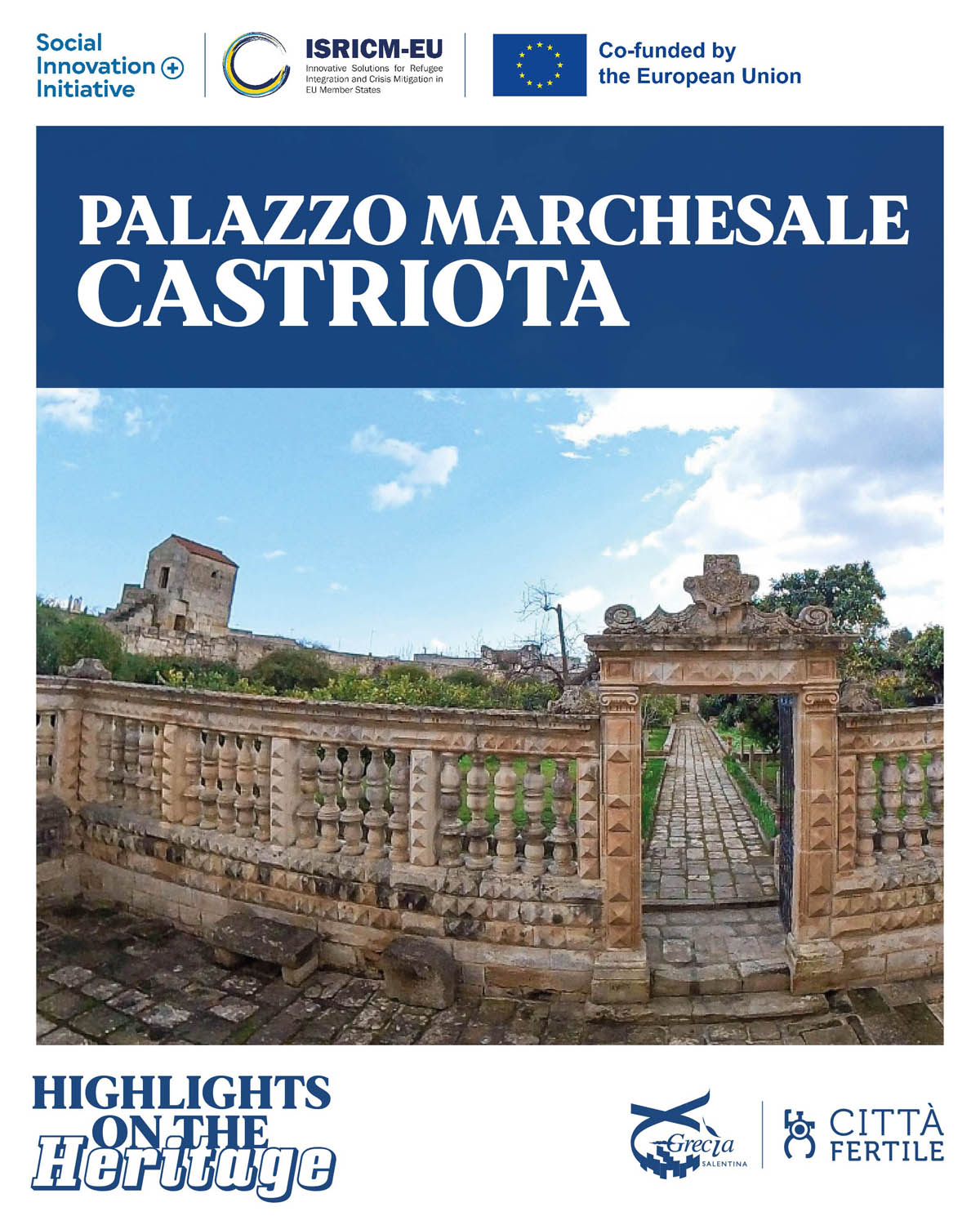
Palazzo Marchesale Castriota
Melpignano
The Marchesale Palace of Melpignano is a refined example of a fortified noble residence. With its sober style, watchtowers, and checkerboard garden, it dominates the Grecìa Salentina.
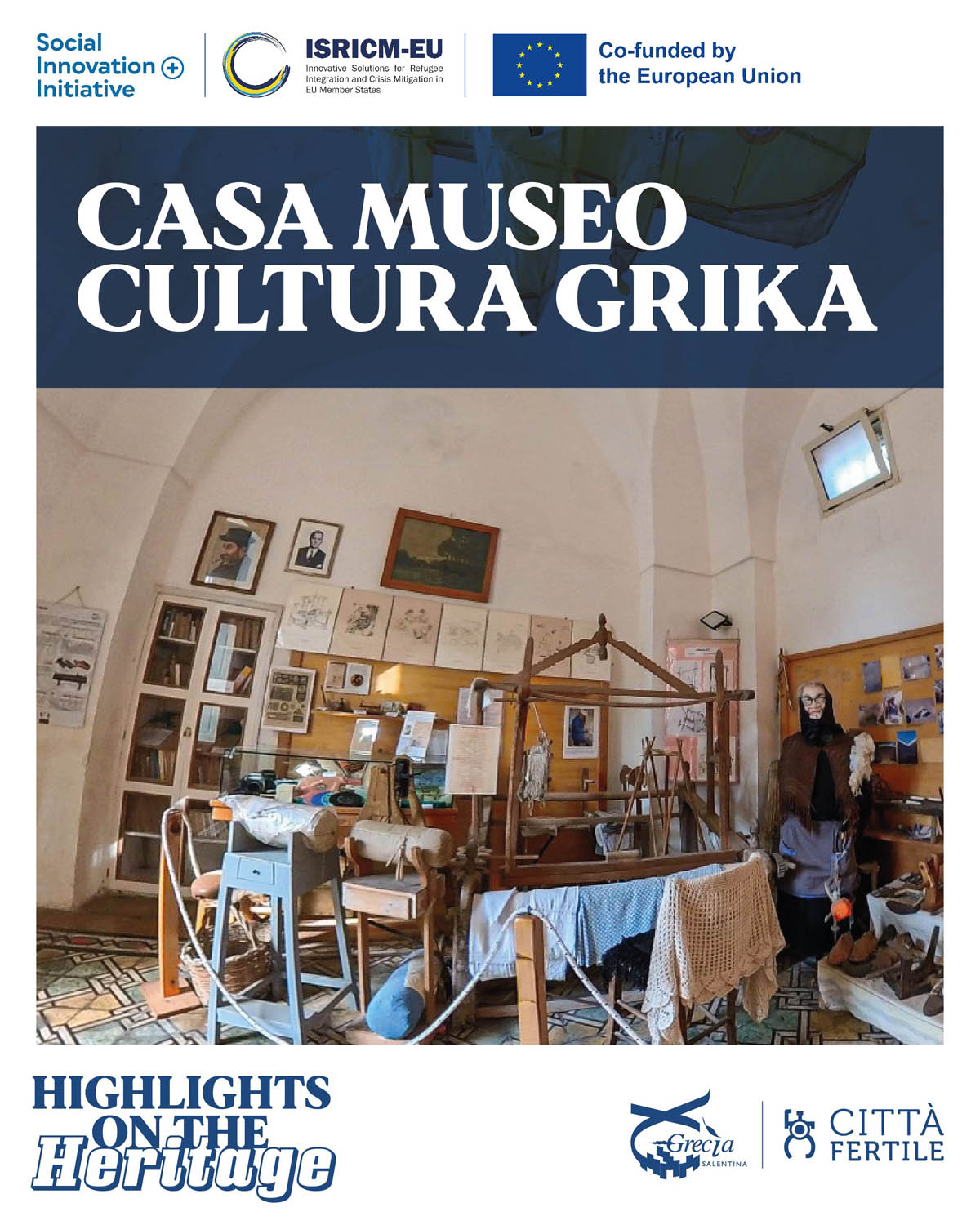
Casa Museo della Civiltà contadina e della cultura grika
Calimera
The House-Museum of Calimera, located in a typical courtyard house, is the heart of Grika culture. Through its library and artifacts, it recounts rural life and the Hellenophone roots of Grecìa Salentina.
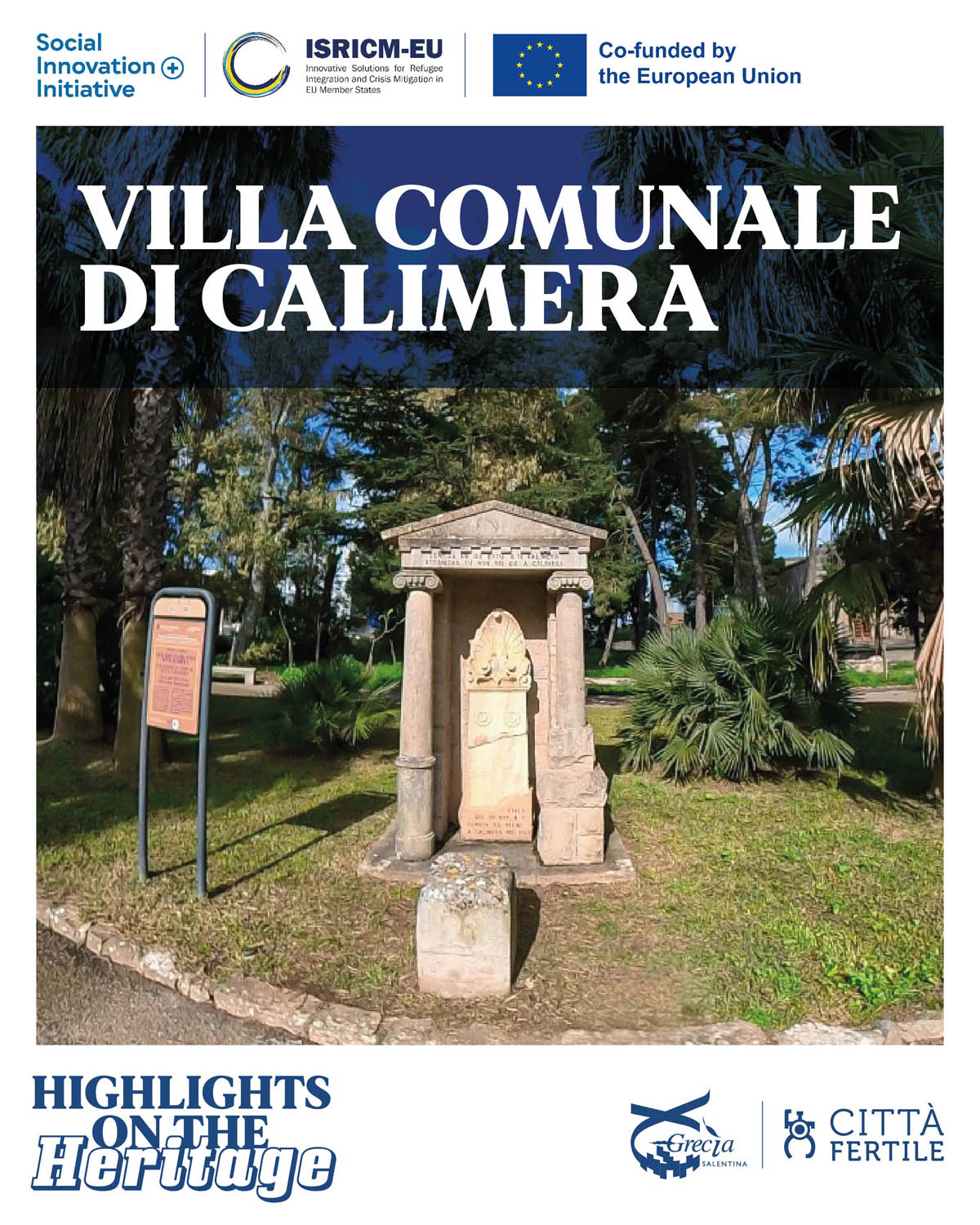
Villa comunale
Calimera
The Municipal Villa of Calimera is a historical park home to the Attic Stele (4th century BC), a gift from Athens that seals the millenary bond between Greece and the Grika community. A symbol of Mediterranean internationalism.
Casa a corte “Corte Grande”
Martano
The courtyard house in Martano, such as Corte Grande, is the emblem of Mediterranean living. A communal space for farm laborers’ families, it transformed daily toil into social life and mutual aid in the heart of Salento.
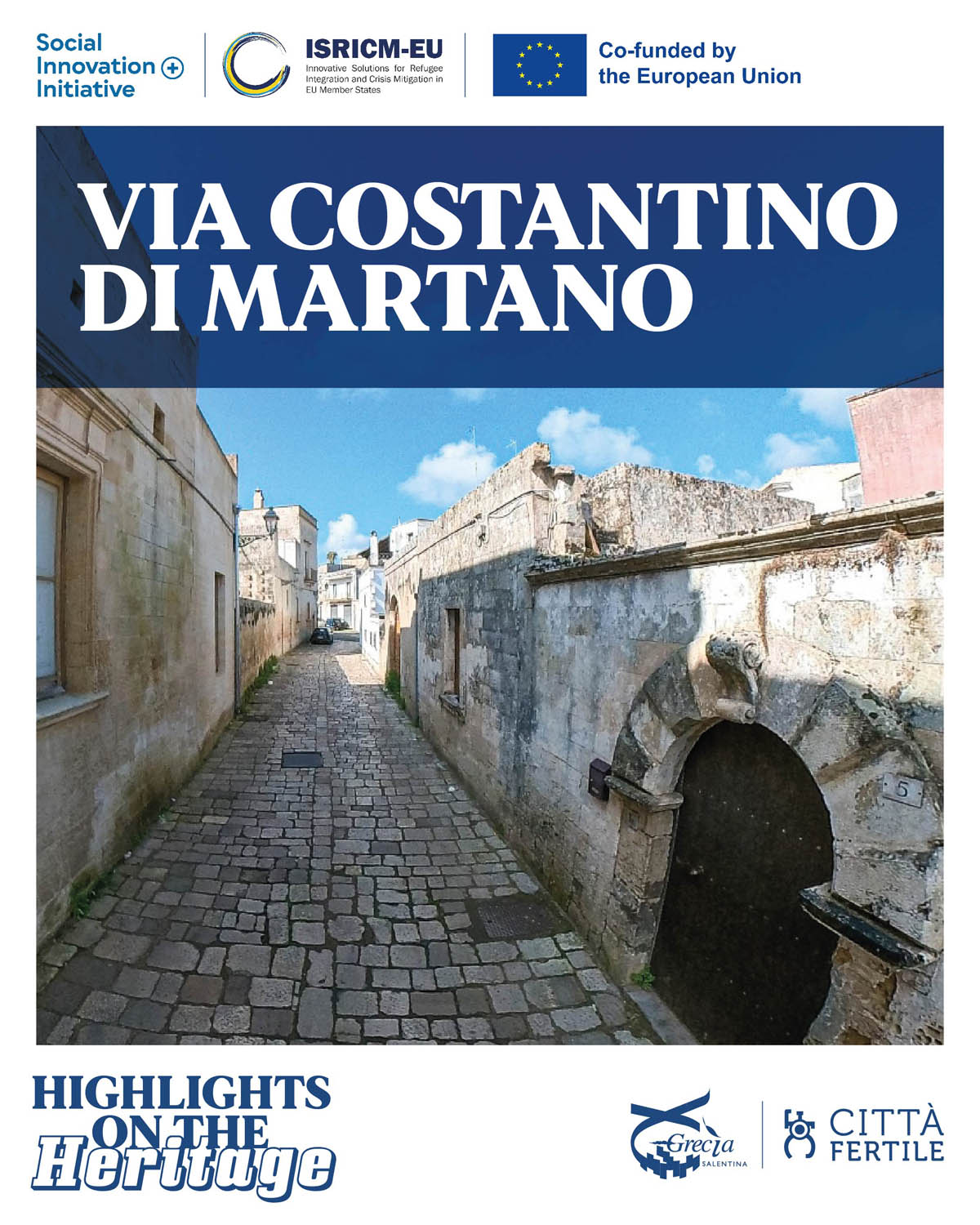
Via Costantino
Martano
The historic center of Martano blends Lecce stone palaces, courtyard houses, and a 15th-century Aragonese castle with cylindrical towers. It is a perfect synthesis of Baroque art and military defense.
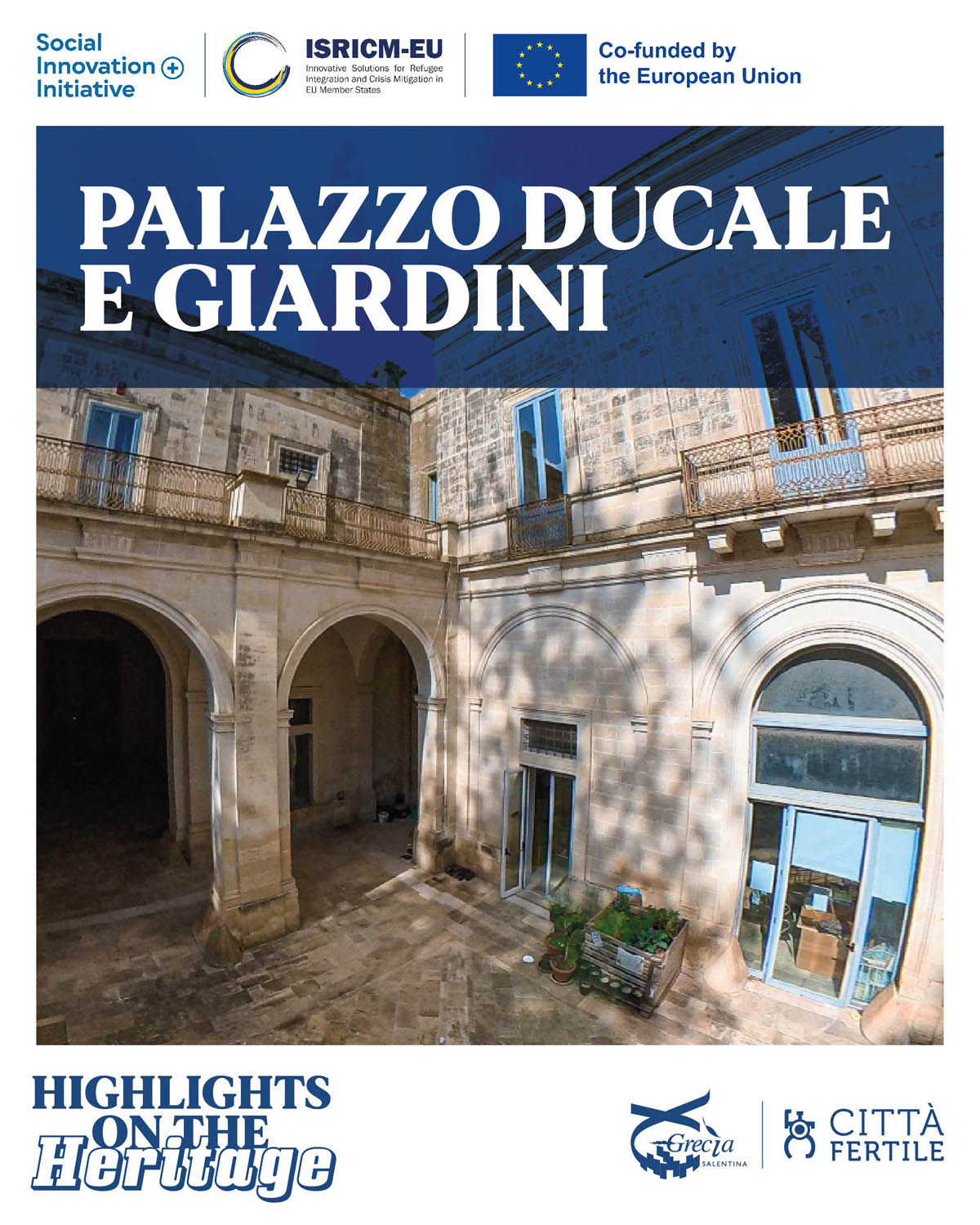
Palazzo Ducale – Giardini
Martano
Palazzo Gaetani in Martano, featuring eclectic and neoclassical tastes, was the home of the man of letters Salvatore Gaetani. It boasts an arched courtyard, precious mosaics, and a garden connected to the noble halls.
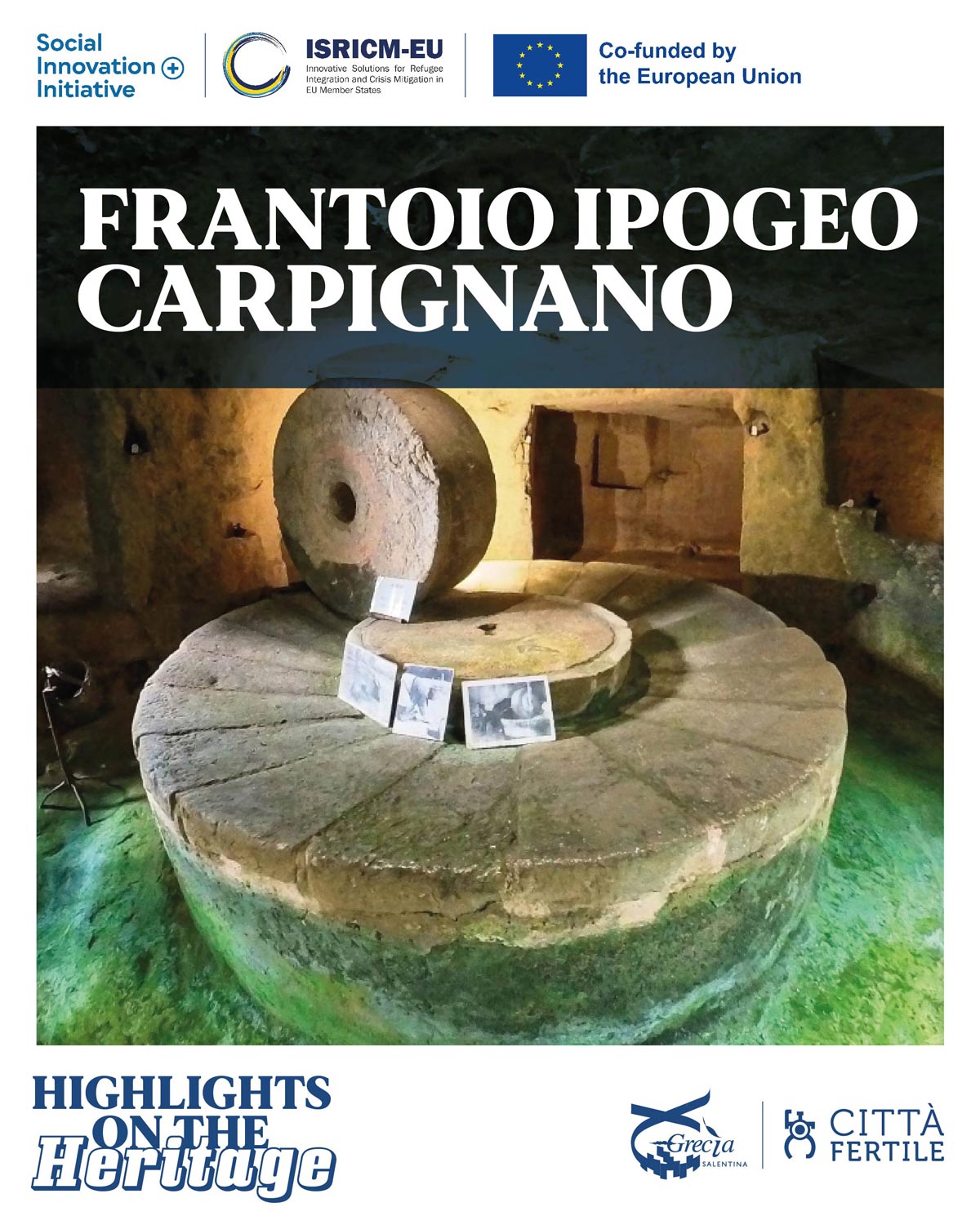
Frantoio ipogeo
Carpignano Salentino
Rediscovered in 2002, the underground oil mill of Carpignano (17th–18th century) is carved into the rock. It preserves millstones and “Calabrese” and “Genovese” style presses, testifying to ancient oil-making mastery.
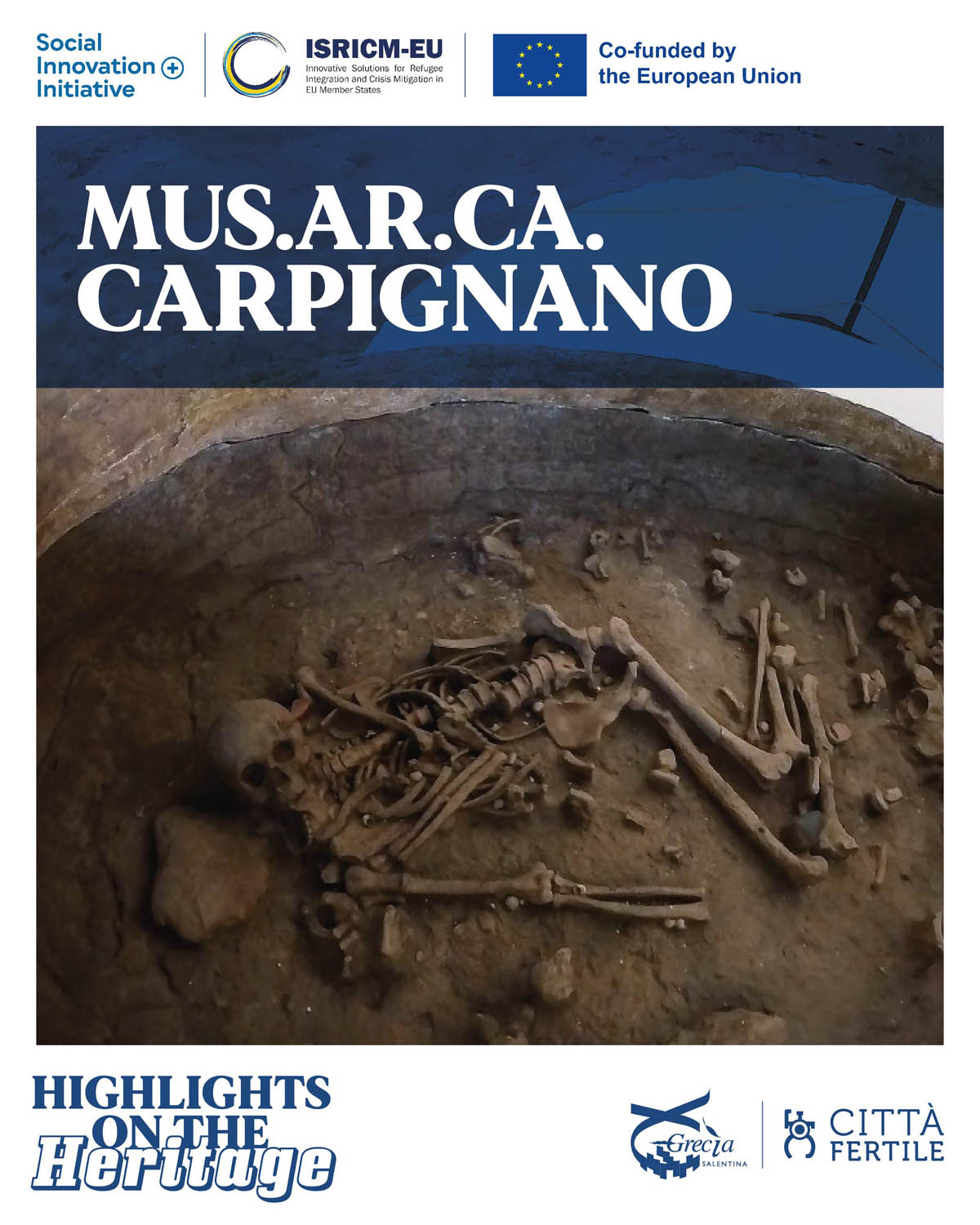
MUS.AR.CA. Museo Archeologico Carpignano Salentino
Carpignano Salentino
Palazzo Ghezzi in Carpignano, a Baroque jewel, is the heart of the MUS.AR.CA., a diffuse museum with an archaeological section. Its portal and noble coat of arms narrate Salento’s history and identity.
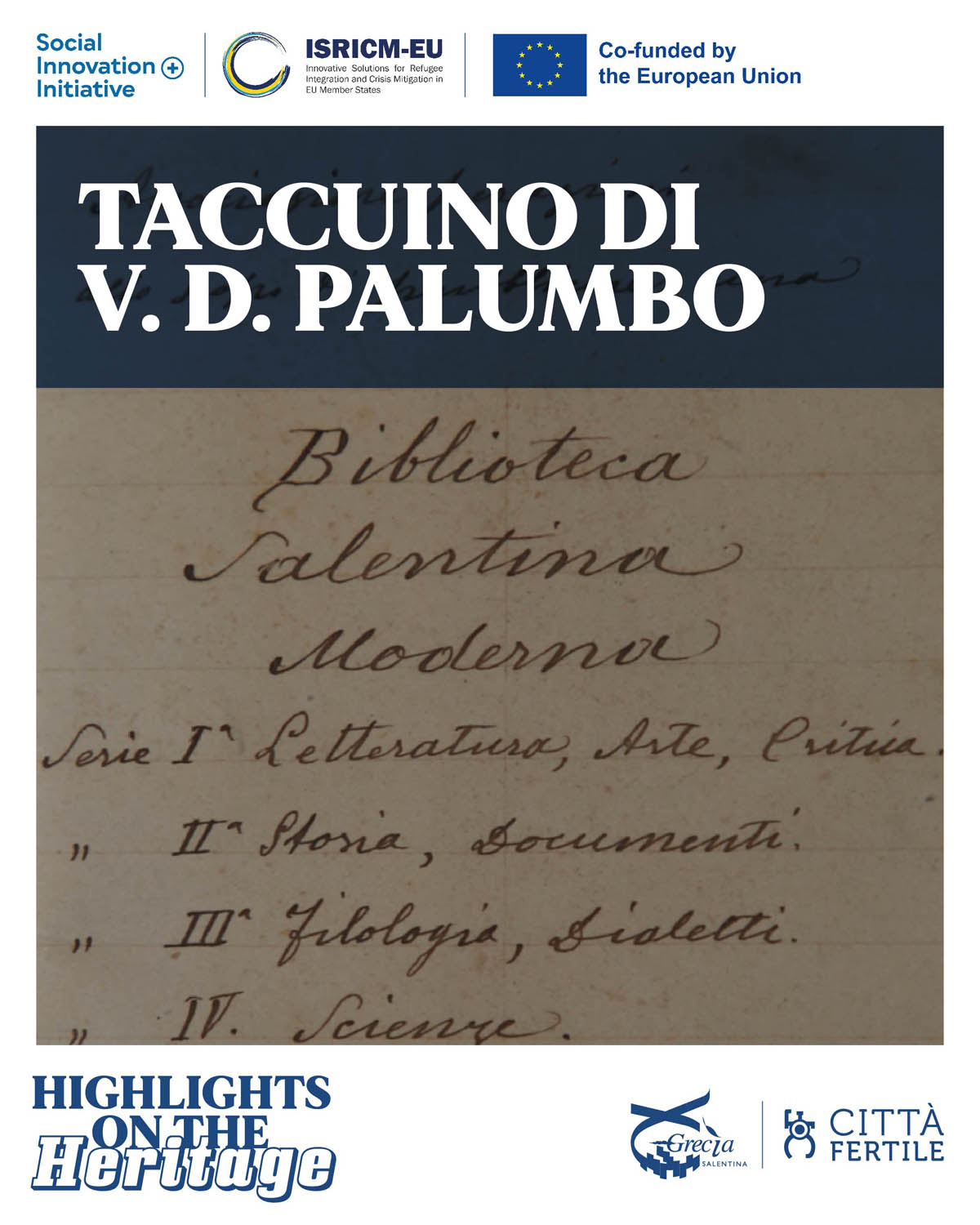
Taccuino manoscritto di Vito Domenico Palumbo “Associazione per azioni allo scopo di pubblicare una Biblioteca Salentina Moderna”
Calimera
The manuscript of V.D. Palumbo in Calimera describes the project for a publishing house for a “Modern Salento Library.” It includes the articles of association and members, aimed at filling a local cultural void.

Il Lamento, Vito Domenico Palumbo, 1896, I Edizione a stampa
Calimera
First printing of “Il Lamento” (The Lament), a Grika poem edited by V.D. Palumbo. Part of his historical library, it is kept in the House-Museum of Calimera as a precious witness to local culture.
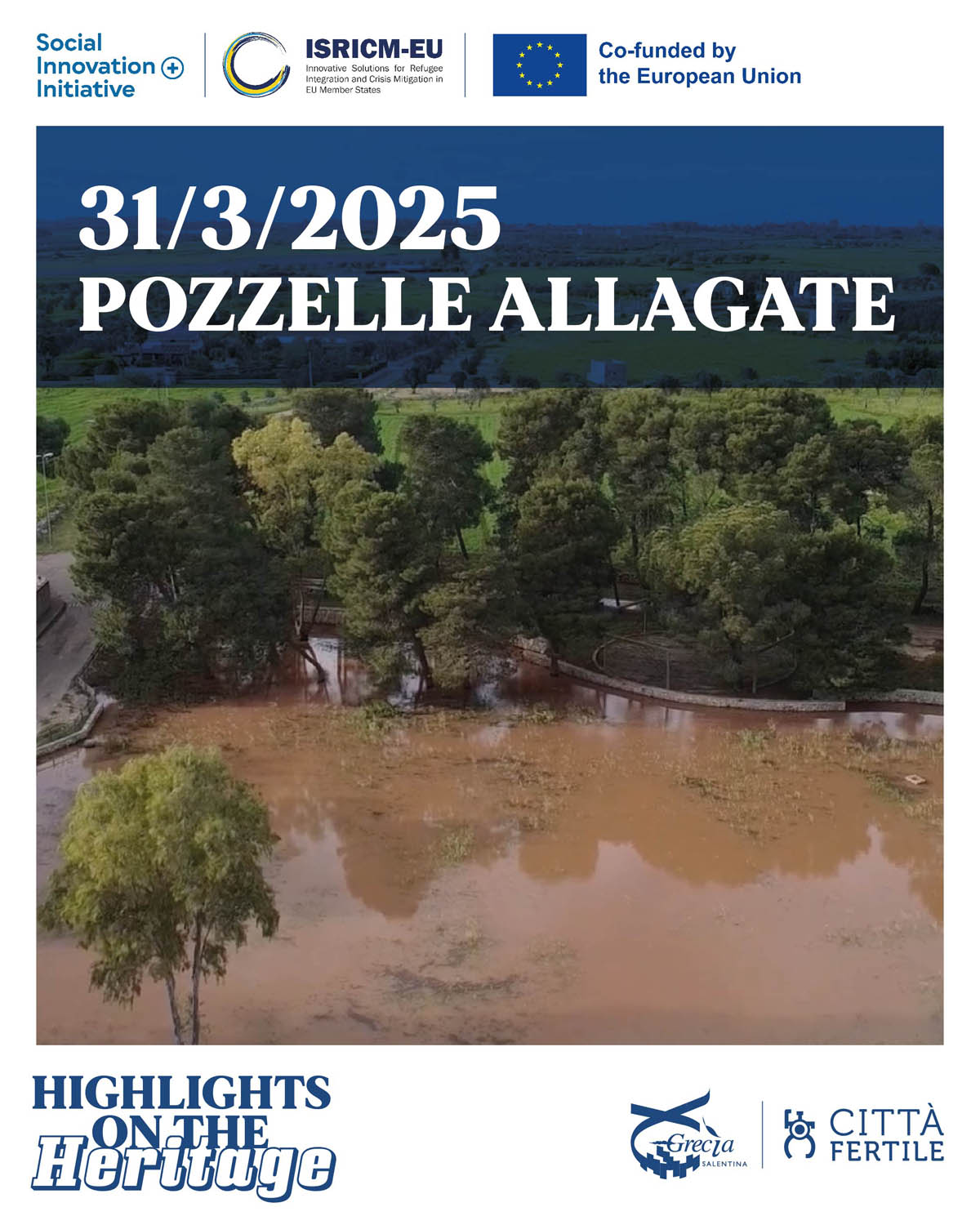
Marzo 2025: Pozzelle Inondate
Zollino
Video from 03/31/25: flood rains reactivate the “pozzelle” of Soleto, Castrignano, and Zollino. After 50 years, the sites of Pirro and Apigliano once again demonstrate the efficiency of their ancient water system.
Highlights on the heritage
Our heritage is the whole world
These highlights are intended as an invitation to get to know one another, a stimulus to compare the land of arrival with the thousand lands of departure. Food for the soul. These places are pieces of our identity, made available to all travelers who want to learn, who are curious to discover. They are pieces of well-being and history that our people offer to those who travel through Salento from south to north, from east to west and vice versa.


